No es a través de las religiones cristianas que podemos determinar lo que Jesús enseñó. En el siglo IV, bajo la autoridad del emperador Constantino, se impusieron las doctrinas que sustentarían a la iglesia oficial del imperio romano, muchas de ellas contradictorias con el mensaje de Jesús enfocado en amar a Dios amando a los demás, en el entendido que yo/los demás constituyen una unidad. Las doctrinas decretadas en el Concilio de Nicea han sido legitimadas siglo tras siglo, no sólo por la iglesia de Roma surgida a la sombra del Emperador, sino por la mayoría de las congregaciones religiosas que se desprendieron de ella a partir de la Reforma promovida por Martín Lutero en el siglo XVI.

Estas iglesias cristianas con divergencias teológicas y doctrinales, tienen en común la figura de Yeshua. Más allá de sus diferencias, luchas y rivalidades, crearon y sostienen reinos humanos integrados por jerarquías de varones. Reinos de este mundo al servicio de las minorías que rigen el planeta, dedicadas a controlar tierras y almas con espada y temor. Muchas de estas instituciones religiosas —que suman más de treinta mil denominaciones— en su práctica demuestran que son opuestas e incompatibles con las enseñanzas de Jesús, e inconciliables con el Reino de Dios presente en cada persona (Lucas 17,21).
Para desentrañar el mensaje y aprender a hablar el idioma espiritual del Padre, es necesario tomar como punto de partida la unidad. Podría considerarse que la única doctrina predicada por Jesús—en caso que pudiera ser considerada doctrina— y expresada a través de sanaciones y milagros de compasión, fue el amor al prójimo como modo de manifestar la unidad —el amor— en Dios. En una de las tantas ocasiones en que fariseos y saduceos lo cuestionaron, uno de ellos le preguntó: «Maestro, ¿cuál es el mandamiento mayor de la Ley?» Él le dijo: «Amarás al Señor, tu Dios, con todo tu corazón, con toda tu alma y con toda tu mente. Este es el mayor y el primer mandamiento. El segundo es semejante a éste: Amarás a tu prójimo como a ti mismo» (Mateo 22,36-39). Ambos mandamientos, escritos en los libros Deuteronomio y Números, eran reconocidos como legítimos por las jerarquías religiosas, aunque no los practicaran.
Revisemos la equivalencia dada por Jesús: amar al prójimo es ‘semejante’, esto es, similar, idéntico, igual a amar a Dios. Esta semejanza entre el Creador y los seres humanos aparece descrita en el libro de Génesis: «Dijo Dios: Hagamos al ser humano a nuestra imagen, como semejanza nuestra» (1,26). A esta semejanza alude la frase «Yo y el Padre somos uno», cuya veracidad incluye a toda la humanidad. La unidad con el Padre es inherente a todo ser humano, aunque no se tome conciencia de ella. El mensaje de Jesús fue reducido por los teólogos y legistas del cristianismo a una especificidad de Jesús con el Padre. Esta unidad es independiente de la conciencia humana y requiere de la experiencia unitiva para ser identificada e incorporada: «…para que todos sean uno. Como tú, Padre, en mí y yo en ti, que también sean uno en nosotros…. como nosotros somos uno» (Juan 17, 21.23).

El Evangelio de Juan narra un diálogo entre Jesús y una mujer de la ciudad de Siquén quien —como la mayoría de la humanidad de todos los tiempos — era prisionera de doctrinas y dogmas discriminatorios. La mujer llegó sola, a mediodía, al pozo cercano a la heredad que Jacob legó a su hijo José. Jesús, cansado del camino entre Judea y Siquén, sentado junto al pozo, le pidió agua. La samaritana respondió perpleja: « ¿Cómo tú, siendo judío, me pides de beber a mí, que soy una mujer de Samaria?» (Juan 4,9). El diálogo es significativo por varias razones, entre ellas porque fue con una mujer, lo que transgredía la tradición, y además de ser mujer era samaritana. Los judíos consideraban inmundos a los samaritanos y segregaban a las mujeres, incluso a las judías, considerándolas seres inferiores a los hombres. Una mujer debía permanecer toda su vida bajo la autoridad y representación de un hombre; ella sola era una nada invisible. En ese estado de discriminación se les prohibía el estudio de la Torah e interesarse en temas religiosos, por lo que los discípulos de Jesús «se sorprendieron de que hablara con una mujer» (Juan 4,27).
La pregunta de la samaritana reveló un sistema de creencias dogmático basado en la diada aceptación/rechazo. De acuerdo a estos marcos conceptuales, los individuos se clasifican en categorías: si comparten las mismas creencias y costumbres son aceptables e incluidos como un ‘nosotros’, en cambio si no comparten el mismo imaginario social son rechazados y excluidos como ‘los otros’. La pregunta de la mujer cuyo nombre desconocemos, como son usualmente desconocidos los nombres de las mujeres, reveló también mil años de discordia religiosa entre judíos y samaritanos. Una historia de pleitos y masacres que inició en el siglo X a.C., cuando diez de las doce tribus herederas del patriarca Jacob rechazaron la legitimidad de Judea como centro político y religioso de Israel y negaron la sacralidad del templo de Jerusalén.

Las tribus del norte argumentaron inconsistencias en la interpretación de la Torah, asumiendo que el mítico rey David, descendiente de la tribu de Judá, cometió un error en la designación del sitio donde su hijo y heredero Salomón construiría posteriormente el templo de Jerusalén como centro religioso de todo Israel. Según la interpretación de la Torah realizada por las tribus del norte, el lugar legítimo para la edificación del templo sería el Monte Gerizim en Samaria y no Jerusalén, enclave de la dinastía davídica. De tal modo, erigieron su propio templo en las inmediaciones de la ciudad de Siquén, próximo al pozo de Jacob que sirvió de escena al evangelista Juan para narrar el diálogo entre Jesús y la mujer. Aún hoy, casi tres mil años después de iniciado el pleito, para los judíos Jerusalén sigue siendo el epicentro no sólo de Israel sino del mundo, mientras que para los samaritanos es el Monte Gerizim.
Siquén, ciudad más antigua que Jerusalén con una historia conocida de más de cuatro mil años de antigüedad, está vinculada a la tradición bíblica desde Abraham hasta Jesús. «Abrán atravesó el país hasta el lugar sagrado de Siquén, hasta la encina de Mamré. Por entonces estaban los cananeos en el país. Yahvé se apareció a Abrán y le dijo: ‘a tu descendencia he de dar esta tierra’» (Génesis 12,6.7). Como consecuencia de la escisión de las doce tribus y de la proclamación del Dios de Abraham, Isaac y Jacob en dos centros religiosos rivales ubicados en Jerusalén y en el Monte Gerizim, se consolidó la separación de los hijos de Israel e inició la pugna cuyos frutos de ira y desconfianza subyacen a la pregunta de la samaritana: «¿Cómo tú, siendo judío, me pides de beber a mí, que soy una mujer de Samaria?».

Un milenio antes del inicio del conflicto entre las doce tribus, Siquén fue arrebatada por Jacob y sus hijos a los jivitas —de origen cananeo— en venganza por el rapto y violación de Dina, hija de Jacob. Narra el libro de Génesis que el hijo de Jamor, príncipe de la región, «la vio, se la llevó, se acostó con ella y la humilló ». Después, «se sintió atraído por Dina» y dijo a su padre «Tómame a esta chica por mujer» (Génesis 34,2.4). Como estratagema, los hijos de Jacob pusieron la condición que, para entregarles a su hermana, todos los hombres debían circuncidarse: «Al tercer día, mientras ellos estaban con los dolores de la circuncisión, dos hijos de Jacob, Simeón y Leví, hermanos de Dina, blandieron cada uno su espada y, entrando en la ciudad sin riesgo, mataron a todos los varones. También mataron a Jamor y a (su hijo) Siquén a filo de espada: tomaron a Dina… y salieron. Los hijos de Jacob pasaron sobre los muertos, pillaron la ciudad que había violado a su hermana y se apoderaron de sus rebaños… de cuanto había en la ciudad y en el campo. Saquearon toda su hacienda, incluso sus pequeñuelos y sus mujeres, y pillaron todo lo que había dentro» (Génesis 34,25.29).
En esta tierra de violencia ancestral, ante la pregunta de la samaritana, «¿Cómo tú, siendo judío, me pides de beber a mí, que soy una mujer de Samaria?», Jesús respondió con la metáfora del agua viva relacionada con el conocimiento eterno, en contraposición con el agua del pozo de Jacob que refleja el conocimiento temporal. Contrastó: «Todo el que beba de esta agua (del pozo de Jacob) volverá a tener sed; pero el que beba del agua que yo le dé no tendrá sed jamás… se convertirá en él en fuente de agua que brota para vida eterna» (Juan 4,13-14). Cuando una persona salta del conocimiento temporal al conocimiento eterno, deja de someterse a doctrinas religiosas y a instituciones. La samaritana dio ese salto: «…dame de esa agua, para no volver a tener sed y no tener que venir aquí a sacarla» (Juan 4,15), mostrando su liberación de adoctrinamientos de antigua raigambre.
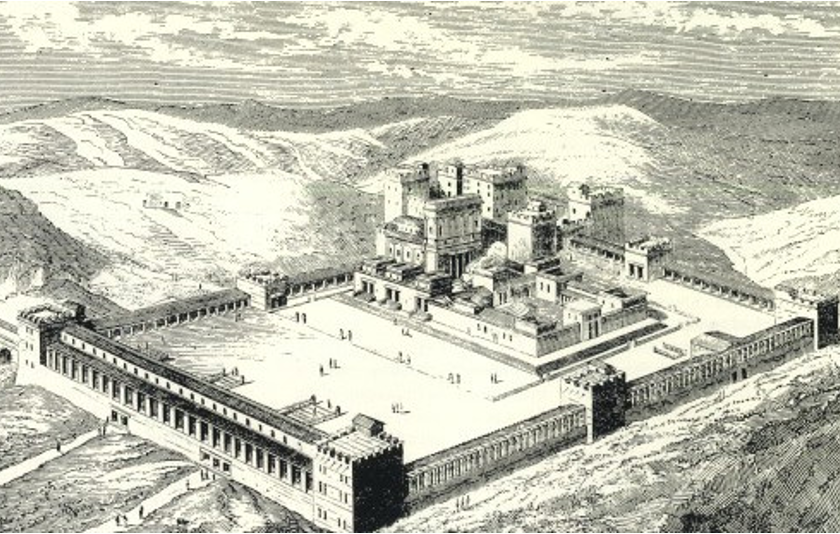
Esta última frase «y no tener que venir aquí a sacarla» expresa la transformación de su universo conceptual: el pozo de Jacob, al que antes de la comprensión del mensaje de unidad proclamado por Jesús le adjudicara un gran valor simbólico ligado al Patriarca de Israel, perdió relevancia. Igualmente desapareció la falsa idea concerniente a la mayor legitimidad de alguno de los dos templos rivales: «Dios es espíritu» (Juan 4,24), no reside en Jerusalén ni en Gerizim. Los pensamientos y sentimientos de millones de personas de las tres religiones abrahámicas que durante milenios han hecho un ídolo de Jerusalén, crearon y sostienen cúmulos de energía organizada e inteligente —egregores— de odio y rivalidad que mantienen la dramática situación de la región. Jesús no sólo pasó por alto la pugna acerca de los templos, sino desestimó de forma general la importancia de los lugares considerados sagrados en la experiencia espiritual a la que invita el Padre y de la que él fue mensajero. En contraste, realzó la trascendencia del ser humano por encima de las religiones y sus ídolos: «Créeme, mujer, que llega la hora en que ni en este monte ni en Jerusalén adoraréis al Padre…. llega la hora (ya estamos en ella) en que los adoradores verdaderos adorarán al Padre en espíritu y en verdad, porque así quiere el Padre que sean los que le adoren» (Juan 4,21-23).

Para ser adorador desde la perspectiva de Jesús, es necesario conocer la realidad ficticia y temporal de las prioridades y ambiciones creadas por la conciencia fragmentada. El nuevo nacimiento que produce la experiencia espiritual unitiva convierte al sujeto en servidor de la realidad eterna, lo que conlleva la negación de las barreras que la fragmentación levanta entre los sexos, razas, clases sociales, religiones y naciones. Adorador es, en el contexto de la experiencia que transmite Jesús, la persona libre de ídolos físicos y mentales. Esta adoración en «espíritu y verdad» (Juan 4,24) es personal, no institucional; directa, no a través de personas e instituciones intermediarias; interior, no exterior. Es inaprensible en doctrinas y rituales, porque proviene de un entendimiento que detecta la unidad aún en lo que se manifiesta como opuesto: no hay dos, sólo Uno.
El adorador definido por Jesús no fragmenta, por lo tanto no es idólatra. La idolatría y el pensamiento dogmático proceden de la conciencia fragmentada. La mujer samaritana entendió que ningún lugar o individuo es más significativo que otro. Todo lo existente es manifestación y presencia del Yo Soy, el Yo infinito: nombre con que el Padre se identificó con Moisés. Cada persona, cada yo soy que accede a la conciencia unificada se libera de la herencia de temor, ira e ignorancia y, consciente de la interconexión de todo lo existente, se hace «fuente que brota para vida eterna» (Juan 4,14).
«Dios es espíritu» (Juan 4,24), dijo Jesús a la samaritana. Si la humanidad está hecha a su imagen y semejanza, no hay duda que somos su espíritu, una unidad indivisible; cualquier idea de separación es una ilusión. Así como las olas nunca dejan de ser océano, los seres humanos, en apariencia individuos separados, nunca dejan de ser Dios-espíritu. Esta unidad esencial justifica que todos los humanos puedan afirmar sin temor a equivocarse «Yo y el Padre somos uno». Una vez que se produce este entendimiento se eliminan los obstáculos para pasar de la unidad implicada a la unidad explícita, real.
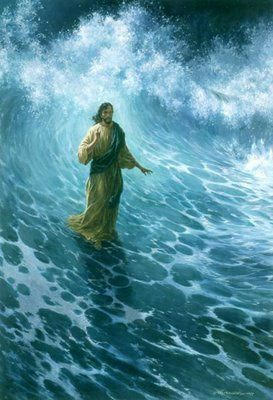
Apropiarse de la realidad libera de la obediencia a dogmas, doctrinas y rituales construidos por personas e instituciones que se presentan como representantes de un Dios separado de la humanidad. Esta experiencia unitiva produce una transformación espiritual, mental, emocional y física del sujeto que establece la ruptura con las dualidades aceptación/rechazo, inclusión/exclusión en las que se fundamentan los poderes dominantes. El mundo se entiende entonces como un conjunto indivisible de manifestaciones —aspectos, apariencias— del Uno. La mujer u hombre consciente de la realidad puede caminar sobre las aguas del Mar de Galilea sin hundirse.
Citas bíblicas: Biblia de Jerusalén, Ed Desclée De Brouwer, 2009
Imágenes: Google
The post EL MENSAJE DE UNIDAD – Jesús y la mujer de Siquén first appeared on Aída Reboredo.]]>A la memoria de Helmuth
Aída Reboredo ArroyoExisten registros de información de vidas y acontecimientos pasados a los que no se tiene acceso en el estado de vigilia común. Sin embargo, en sueños, visiones, meditación y psicoterapia de regresión se revela esta historia de nuestras vidas, abriéndose la posibilidad de interactuar con las personas y circunstancias que se manifiestan. Conocer estos registros permite consolidar el aprendizaje favorable al desarrollo de la conciencia unificada del sujeto y transformar la conciencia fragmentada que provoca la repetición de encarnaciones. Estas experiencias grabadas en el cuerpo energético se activan en cada nueva materialización, con independencia del tiempo transcurrido entre el momento en que ocurrieron y la vida en curso.

Ignorar las vidas pasadas no anula su influencia en la vida presente. Al morir el cuerpo físico, el cuerpo energético experiencial continúa existiendo y eventualmente se vuelve a manifestar dando forma a un nuevo cuerpo material. Existe una unidad intrínseca entre el cuerpo material y el cuerpo energético portador de la información de vidas pasadas. Esta integración entre ambos cuerpos se disuelve con la muerte del cuerpo físico, pero la experiencia de esa vida queda grabada en el cuerpo energético, también llamado alma o espíritu. No sólo se conserva la experiencia humana sino la de todo lo existente, visible e invisible.
Aunque los registros de información disponibles en el cuerpo energético puedan ser conocidos por medio de la psicoterapia de regresión, de la meditación, de visiones y sueños, esta información deberá interpretarse y ser asimilada por el sujeto antes que pueda producir un efecto lo suficientemente significativo como para transformar su sistema de creencias y crear cambios sustanciales en su vida. El entendimiento del sujeto se expande al darse cuenta que el pasado no sólo humano, sino el pasado de todo lo existente, se encuentra registrado en eterno presente. Cuando desaparece la visión fragmentaria de la existencia se alcanza de forma intuitiva, más que racional, la certeza de la unidad.

Como fruto de la psicoterapia de regresión a otras vidas se facilita la transformación del sistema de creencias que reduce la existencia a un principio y un final. Cambian los paradigmas: el espíritu y la materia, la vida y la muerte dejan de ser percibidos como dualidades y se comprenden, más allá de sus características particulares, como distintas expresiones de la unidad. En otras palabras, el espíritu, la materia, la vida y la muerte son reinterpretados como manifestaciones de una esencia común, divergentes sólo en apariencia. Como fruto del nuevo entendimiento la persona toma en cuenta lo particular y la dualidad como necesarios para comprender e interactuar en la realidad material, pero ya no se perderá en fenómenos singulares. Liberada de la confusión previa se mantendrá, sin interrupción, consciente de lo general. La persona deja de estar dividida entre el presente, el pasado conocido y desconocido, y un futuro incierto al adquirir la convicción de la continuidad de la existencia tras las cortinas de la aparente finitud material.
La psicoterapia de regresión permite el acceso consciente al registro de información grabado en el cuerpo energético. En este registro el pasado y el presente se reflejan de manera similar a como ilustra la metáfora de la Red de Indra: una infinita red de finas cuerdas sostiene gotas de rocío; cada gota de rocío refleja a todas las gotas sostenidas en la red y a su vez es reflejada por cada una de ellas. Aplicando esta metáfora al tema que nos ocupa, esta red existiría no sólo en el plano físico espacio-temporal interrelacionando personas, sino también en la conexión que existe entre diferentes tiempos y espacios, ligando experiencias individuales de vidas pasadas con la vida presente y relacionándolas simultáneamente con las vidas pasadas-presentes de los otros.

La historia de un individuo no inicia en la vida intrauterina: es mucho más antigua, y tan antigua como desconocida para el común de la humanidad. Un sujeto no está solamente determinado por la suma de circunstancias de su vida presente, sino por las experiencias acumuladas en existencias previas. La psicoterapia de regresión aporta elementos que permiten detectar características que se repiten en diferentes vidas y permanecen activas en la actual. El conocimiento de estas pautas reiteradas permite interrumpir las repeticiones que originan sufrimiento y potenciar las experiencias que generan paz y alegría permanentes. Las experiencias que generan sufrimiento son aquellas que parten del egoísmo e infligen daños contra sí mismo o contra otros. Las que consolidan paz y alegría derivan de acciones desinteresadas de compasión. Con frecuencia los conflictos severos entre personas —entre padres e hijos, hermanos, socios de negocios, parejas— provienen de hechos acontecidos en vidas pasadas que permanecen pendientes de solución. Las entidades vivientes se mantienen enlazadas vida tras vida por la ley de afinidad y por responsabilidades contraídas en existencias anteriores. Cada encarnación a la que se accede es una oportunidad para aprender a liberar el poder del amor.
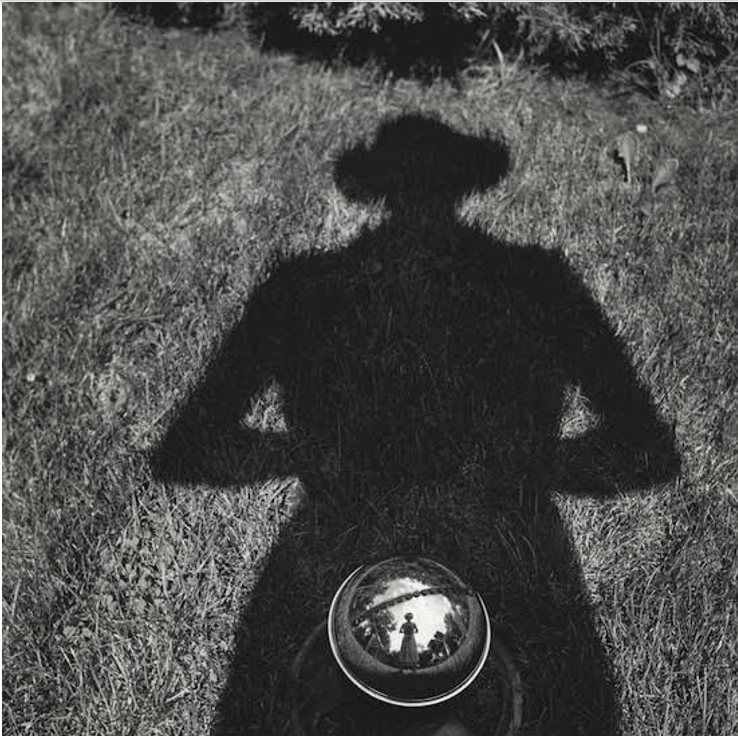
La persona se empodera al darse cuenta que no son los otros, ni es la suerte ni tampoco la desgracia las que crean el estado en que vive, sino que sus circunstancias son moldeadas con la energía de sus propios pensamientos, intenciones y acciones que generan efectos a corto, mediano y largo plazo, incluso más allá de la presente vida. La comprensión de la continuidad de la existencia consciente, de la permanencia del cuerpo energético y de la muerte como un acontecimiento que sólo desintegra al cuerpo material, transforma la falsa creencia de individualidad desvinculada del conjunto y de responsabilidad limitada al grupo inmediato de pertenencia —familia, amistades—. En consecuencia, la persona se mantiene alerta a cada encuentro, que pudiera ser un reencuentro o el inicio de una nueva relación que, en ambos casos, es muy probable que se extienda más allá de la presente vida. De este modo se vive con los ojos abiertos: cada circunstancia se aprecia como una oportunidad para corregir errores, para prevenir daños a nuestras propias personas o a los demás en ulteriores relaciones de la vida actual o de vidas futuras, o para iniciar una nueva relación de bien.
Las imágenes que se despliegan en la mente durante las sesiones de psicoterapia de regresión aportan información detallada acerca de la época y lugares en que ocurrieron los hechos, así como de las características específicas de las personas involucradas. La información se recibe con precisión de sonidos, colores, luminosidad, olores, entre otros datos útiles para ubicar la época y el lugar donde ocurrieron los hechos observados. En algunas ocasiones, quien está experimentando la regresión siente repulsión o temor ante personas; en otras se conmociona al reconocer a personas amadas que perdió en alguna otra vida. En ambos casos el psicoterapeuta propicia el acercamiento y el diálogo, sea para solucionar el conflicto o para reafirmar las consecuencias sanadoras del reencuentro. En la revisitación del pasado el sujeto con frecuencia se reconoce a sí mismo bajo otra identidad. Es posible comprobar la veracidad de la información obtenida —nombres y apellidos, nombres y descripciones de pueblos desaparecidos siglos atrás, fechas históricas— en registros civiles, en mapas, en antiguos acontecimientos históricos cuyas fechas en algunas ocasiones son expresadas en calendarios desconocidos para el sujeto en regresión y que se corresponden con precisión a sus equivalentes en el calendario gregoriano.

El método de psicoterapia de regresión a otras vidas al que me refiero, consiste en inducir un estado de relajación profunda a través de respiraciones pausadas, sin incurrir en hiperventilación ni en estados alterados de conciencia. El psicoterapeuta guía al individuo para lograr la observación detallada y la verbalización precisa de las imágenes y sonidos que se despliegan en su mente. El uso del lenguaje permite trasladar a registros conscientes imágenes que tienden a ser semejantes a las oníricas. La persona guía debe permanecer atenta a gestos y movimientos corporales, así como ser cuidadosa en la recolección de datos para detectar lo esencial y evitar desvíos hacia temas secundarios que oculten la información relevante. La posibilidad de desentrañar la trama central depende de la intuición, además de la atención y concentración plenas. La intuición es la forma de conocimiento instantáneo indispensable para incursionar en las realidades paralelas. Mientras que el razonamiento es resultado de experiencias previas, la intuición irrumpe súbitamente ofreciendo una comprensión inmediata. A través de la intuición se accede a fuentes de información que están fuera del alcance de la racionalidad.
Conocer las vidas pasadas transforma la visión del mundo y de sí mismo. Aquello que antes de las experiencias de regresión era considerado una colección de fragmentos separados, aleatorios y sin relación entre ellos, se entiende posteriormente como un amplio campo de posibilidades de interacción donde la conciencia observante no sólo trasciende las innumerables muertes físicas, sino conserva lo aprendido en cada una de ellas. Como consecuencia de esta revolución interior el individuo se libera de los pensamientos y sentimientos inherentes al sistema de creencias fundamentado en la fragmentación de la existencia. La vida adquiere un significado infinito y eterno.
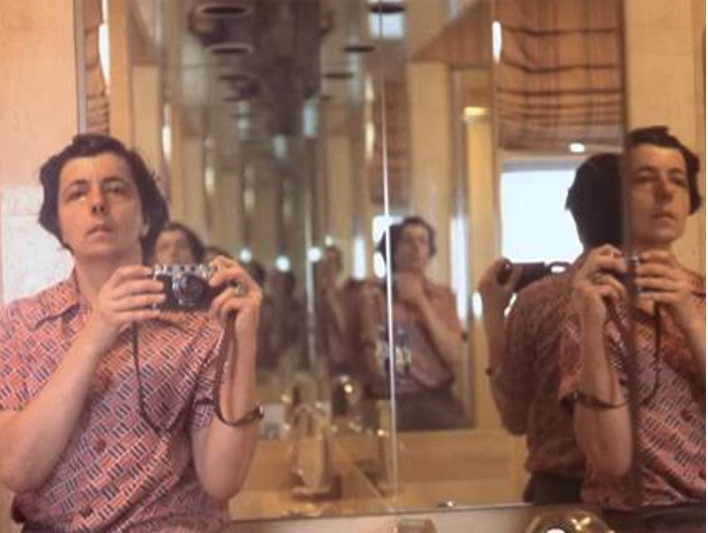
Cada vida ofrece un abanico de posibilidades no sólo para rectificar errores y potenciar aciertos de vidas pasadas, sino para generar nuevas circunstancias. Cada nueva materialización del cuerpo energético constituye de este modo una plataforma constructiva, no obstante que esté anclada en las vidas anteriores y condicionada por ellas. La vida después de la muerte es la continuidad de nuestra existencia y la historia de vidas pasadas no es un tema ajeno a nuestro presente.
Fotos Vivian Maier. Google.
The post LAS VIDAS PASADAS – Psicoterapia de regresión a otras vidas first appeared on Aída Reboredo.]]>Porque el Hijo del Hombre ha venido a buscar y a salvar lo que se había extraviado
Lucas 19:10“Hijo de Hombre”, se llamó Jesús a sí mismo indicando con su origen el propósito de rescatar la identidad humana original perdida. Este proceso de recuperación no consiste en agregar algo nuevo a la vida, sino en darse cuenta de lo que ya es: conciencia eterna entretejida en cuerpos temporales, materia y espíritu entrelazados. El apelativo Abba, Padre, usado por Jesús para referirse al Eterno, revela la unidad indisoluble. En esta certeza afirmó: “Yo y mi Padre somos uno”, asumiendo de forma individual la narración del libro de Génesis sobre el origen de la humanidad: “Creó, pues, Dios, al género humano conforme a su imagen… varón y mujer los creó” (1). De este modo, al llamar Padre a Dios no sólo se incluyó a él mismo en esta filiación, sino incorporó a toda la humanidad.
El Padre no es ajeno a su creación, no está adentro ni afuera: le es inherente. Nada existe fuera de su presencia: “no está lejos de ninguno de nosotros, porque en Él vivimos, nos movemos y somos… somos de origen suyo” (2). Esta realidad predeterminada no depende de nuestras obras o creencias. Lo que sí depende de nosotros es despertar a la forma de existencia que trasciende la percepción sensorial y darnos cuenta que somos individuos entrelazados en una totalidad. Para vivificar la unidad que constituye el diseño original de la creación se requiere la voluntad, la sensibilidad y la participación inteligente de cada persona. Al activarse la conciencia unificada se alcanza el propósito del Enviado cuando oró por la humanidad diciendo: “… que todos sean uno; como tú Padre mío eres en mí y yo en tí, que también ellos sean uno en nosotros”(3).
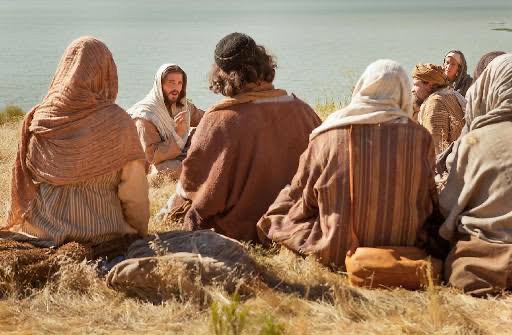
El salto hacia la nueva conciencia implica abandonar la creencia en el pequeño yo como fundamento de provisión y seguridad; confiar en la verdadera fuente inherente a la vida: “cuyo origen no lo sé, pues no le tiene, más sé que todo origen de ella viene, aunque es de noche” (4). En el diálogo nocturno con Nicodemo, Jesús le explicó que para lograr el tránsito de la conciencia fragmentada (“la carne”) a la conciencia de unidad (“el espíritu”)es necesario “nacer de nuevo”: “Si alguno no nace de nuevo, no podrá ver el reino de Dios…” (5). El reino de Dios, también llamado en el Evangelio según Mateo “reino de los cielos”, es un estado de conciencia que se alcanza con la comprensión de la unidad, transformándose la antigua manera de existir en una nueva forma de pensar, sentir y actuar. Del egoísmo, la insensibilidad, la competencia y la indiferencia hacia el prójimo se accede al amor y a la compasión. Este reino, al que Jesús dedicó gran parte de sus enseñanzas, permanece oculto en el estado la conciencia fragmentada. El reino es interior y está aquí, es la comprensión y la puesta en marcha en cada individuo de una forma de vida que tome en cuenta la unidad espíritu materia: “No viene el reinado de Dios con observación, ni dirán: Mira ‘Aquí’ o ‘Allá”…porque el reinado de Dios dentro de vosotros está”, traducción literal del texto original griego (6).
El siguiente relato de la sanación de un hombre ciego ilustra el proceso de transición entre el estado fragmentado y el estado unificado de la conciencia: “…le trajeron a un ciego…tomó al ciego de la mano, y sacándolo fuera de la aldea, escupió en sus ojos, le impuso la mano y le preguntó: ‘Qué ves?’ Y viendo, dijo: Veo a los hombres como árboles que caminan. Y le impuso nuevamente la mano en los ojos, y fue sanado, y veía todo con nitidez… le dijo ‘Ni siquiera entres en la aldea, ni se lo digas a nadie en el pueblo’ (7). No entrar a la aldea ni decirlo al pueblo es la condición para crear la nueva conciencia cuya formación constituye un proceso progresivo en espiral ascendente de aprendizaje, comprensión, compromiso y acción. De forma paulatina se alcanza la coherencia entre pensamientos, sentimientos, intenciones, palabras y acciones. Para no reforzar la energía remanente de la conciencia fragmentada no se debe retornar al pasado, a la ‘aldea’ . Con la consolidación del nuevo sistema de creencias desaparecen el miedo y sus subproductos: incertidumbre, preocupaciones, ansiedad, tristeza, depresión.
“El que… mira atrás de sí, no es apto para el reino de Dios” (8), reino interno en cada ser humano que consiste en no abandonar bajo ninguna circunstancia la certeza de la unidad entre la parte y el Todo. Este sistema de creencias produce reacciones diferentes a las que genera el estado de conciencia fragmentada que busca satisfacer prioritariamente los propios intereses, enalteciendo al pequeño yo por encima de la unidad. Jesús alertó que “Ojo por ojo y diente por diente” (9) o “Ama a tu prójimo y odia a tu enemigo” (10) es la negación de la unidad en el Padre. Fue imperativo al decir “Amen a sus adversarios, bendigan al que los maldice, hagan el bien al que los aborrece y oren por los que los llevan por la fuerza y los persiguen” (11) como forma de vida en unidad en el Padre.
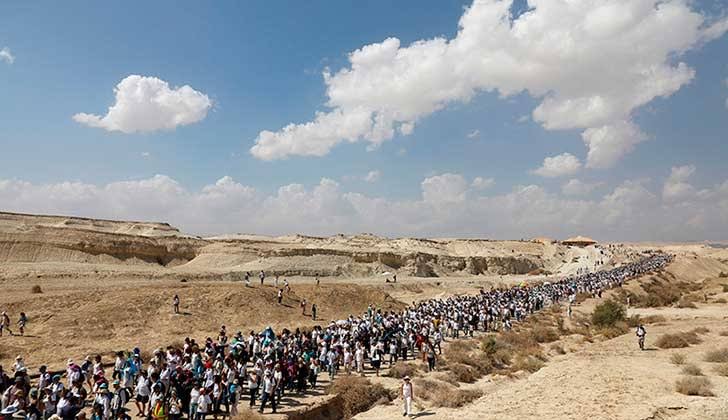
La persona que oscila entre la creencia de ser un yo separado y la conciencia de unidad en el Padre es como un reino dividido: “Todo reino dividido contra sí mismo será aniquilado, y toda casa o ciudad dividida contra sí misma, no permanecerá en pie” (12). Con la comprensión de la unidad se transforma la mente fragmentada mitigándose el conflicto entre pensamientos contradictorios. La persona dividida en sí misma es cautiva de ilusiones que tergiversan su entendimiento. La incongruencia entre pensamientos y acciones crea sentimientos de carencia. La lucha interna por mantener vigentes dos sistemas de creencias incompatibles provoca inquietud, incertidumbre, culpa y tristeza. En estas condiciones la persona no es capaz de alcanzar paz, que es un estado permanente de armonía interna independiente de factores externos.
No se logra vivir en paz mientras no se elimina la fluctuación entre los dos sistemas de creencias: “Nadie…pone vino nuevo en odres viejos, no sea que se revienten los odres, y el vino se derrame y los odres se echen a perder” (13). El “odre viejo”,metáfora que evoca las creencias fundamentadas en la conciencia fragmentada, anulará el nuevo conocimiento, reforzándose las necesidades de aceptación, seguridad y control e incrementándose el aislamiento del sujeto en la particularidad, en detrimento del “vino nuevo”, la conciencia de interconexión. El trabajo de “nacer de nuevo” —no regresar a la aldea— es individual y transforma la conciencia fragmentada —estado de desamor— en conciencia unificada —estado de amor, de reconciliación entre opuestos.
La expansión de la conciencia desde la visión del mundo limitada a lo particular inmediato y efímero hasta abarcar lo Real eterno e infinito crea un abanico de posibilidades que se expresan en conductas pacificadoras de la existencia. El prójimo deja de concebirse con indiferencia como una existencia ajena, separada y se asimila como un yo extendido cuyo bienestar concierne como propio. La regla de oro es una guía perfecta para no errar el blanco de la compasión: “Y como ustedes quieran que los hombres los traten, así también trátenlos ustedes” (14). O, dicho de otro modo: “Amarás a tu prójimo como a tí mismo” (15). Bajo la guía de Jesús se libera el sujeto de los apegos al yo fragmentario y sus circunstancias; asimismo se colapsa la identidad enfocada en el binomio aceptación/rechazo. Surge un reconocimiento no selectivo, incluyente, que acepta de igual modo a los semejantes y a los diferentes, anulándose los prejuicios y juicios.
Es necesario distinguir entre apego y amor. El apego genera miedo de perder el objeto deseado, persona o cosa, debido a la impermanencia inherente a todo lo material. La mente formula deseos de forma constante. Cuando se satisface un deseo se experimenta temporalmente placer; cuando desaparece esta sensación, la mente crea un nuevo deseo de forma tal que el sujeto vive atado a esta producción mental de insatisfacción permanente. El apego crea división, competencia, conflicto debido al deseo de dominación, posesión y control. En el estado de amor no existe aferramiento a lo particular ni deseos compulsivos condicionados por la naturaleza material. Cuando desaparece la ilusión de un yo separado, el individuo trasciende de las falsas ideas de un universo fragmentado a la comprensión incluyente y respetuosa de todo lo existente. Al salir del espejismo de las apariencias entiende que en lo múltiple se manifiesta la unidad.

Jesús se identificó a sí mismo y a sus seguidores como luz: “Yo soy la luz del mundo. El que me sigue no andará en tinieblas, sino que encontrará para sí la luz de la vida” (16); “Ustedes son luz del mundo” (17). Nuestro origen común es la luz, nuestro destino final es la luz, la misión que tenemos es convertirnos en luz, salir de la noche oscura del alma. La lámpara es una imagen frecuente en las Escrituras que fue utilizada por Jesús para denotar el estado de conciencia: “La lámpara de tu cuerpo es tu ojo; así pues, cuando tu ojo sea inocente, también todo tu cuerpo resplandecerá, pero si fuera malo, también todo tu cuerpo estará entenebrecido” (18). La persona unificada, atenta al reino interior, resplandece como una lámpara encendida que debe ponerse “encima de un candelero, para que los que entren vean su luz” (19). Alertó: “Ten cuidado… para que la luz que hay en tí no sea tinieblas” (20). En contraste con las metáforas relacionadas con la luz está la del ladrón de noche, el ego falso que domina en la oscuridad de la conciencia: “si el dueño de la casa supiera en qué hora de la noche vendrá el ladrón, estaría alerta y no permitiría que irrumpiera en su casa” (21).
El diseño humano, unidad de materia y espíritu, temporal y eterno, prevé la posibilidad de vivir en este mundo físico con una conciencia semejante a la que caracteriza a los seres inmateriales de luz. Para restituir la memoria de este diseño original, existe un código resguardado durante milenios por la sabiduría perenne: la conciencia unificada enseñada por Jesús para liberar a la humanidad de la opresión a la que está sometida por parte de fuerzas espirituales. Estas entidades actúan desde las sombras y a través de jerarquías humanas que mantienen a los individuos en ignorancia respecto a su origen. La prisión está edificada sobre la incertidumbre, la inseguridad y el miedo que constituyen el entramado con que los poderes políticos, financieros y religiosos mantienen el cautiverio terrestre.
Cerrarse sobre sí mismo y lo ‘suyo’ crea un espacio falacioso de seguridad: el aferramiento a la particularidad individualista obstruye el desarrollo de las múltiples capacidades humanas. Mientras más se defiende al pequeño yo y su imagen, más se acrecienta el miedo de perder esta particularidad, estableciéndose una lucha permanente por imponerse, sobresalir y dominar que genera ansiedad y mantiene a la persona en insatisfacción, incoherencia, disociación. El individuo bajo la dirección del ego falso trata de controlar su malestar existencial compitiendo con todo y con todos para sentirse dominante. La apología del yo impide la evolución de la conciencia hacia los mundos superiores de donde provenimos, a los que pertenecemos.

Desde la perspectiva de la existencia fragmentada se considera que el éxito de una persona se mide por los recursos materiales a su disposición y el poder que ejerza. Esta ideología conduce a formas de vida destructivas generando estados crónicos de ansiedad que se manifiestan con diversos síntomas físicos y psicológicos como son: irritabilidad, impaciencia, insomnio, desórdenes alimenticios, adicciones, depresión, dolores corporales, cansancio, gastritis, falta de aire, hipertensión, entre otros. Para Jesús la meta de la vida no es acumular bienes materiales, sino activar y ejercer el poder cohesionador, integrador, del amor. Quien vive en armonía con su origen, que es el llamado de Jesús, despliega paz: “dichosos los que hacen la paz, porque ellos serán llamados hijos de Dios” (22) del mismo modo que fueron llamados hijos de Dios los profetas del antiguo Israel y Jesús.
El hijo de hombre e hijo de Dios, el profeta de Nazareth hijo de María, hijo de David, explicó la Torah a un pueblo iletrado de pescadores y agricultores —pobres y marginados— y mujeres a quienes les estaba prohibida la instrucción religiosa. Jesús enseñó a estas multitudes a distinguir entre la ley transmitida por Moisés y los profetas y las doctrinas añadidas por las grupos sacerdotales dominantes. Su método de enseñanza no sustituyó a una doctrina por otra, sino cuestionó los condicionamientos heredados, impulsando a su audiencia a interrogarse libremente sobre las intenciones de los líderes religiosos a los que llamó “ciegos guías de ciegos”, “sepulcros blanqueados que exteriormente parecen hermosos, pero en el interior están llenos de huesos de muerto y de toda inmundicia” (23). Líderes que hoy, del mismo modo que en el Israel del siglo I, tergiversan las Escrituras para ejercer control social.
Jesús es libertador de conciencias, sanador de cuerpos y almas, tan presente aquí y ahora como cuando caminó por Judea, Samaria y Galilea: “El espíritu de Yahweh está sobre mí. Por eso me ha ungido para anunciar buenas nuevas a los pobres, y me ha enviado para restaurar a los quebrantados de corazón, para proclamar libertad a los cautivos y vista a los ciegos” (24). “Mi reino no es de este mundo” (25) respondió a sus contemporáneos, indicando de este modo que la liberación prioritaria es espiritual; las condiciones materiales de existencia son consecuencia del estado de ceguera espiritual. Los hombres y mujeres despiertos en conciencia unificada rompen no sólo sus propias cadenas, sino las cadenas atávicas que impiden el florecimiento pacífico, igualitario y equilibrado de toda la creación.
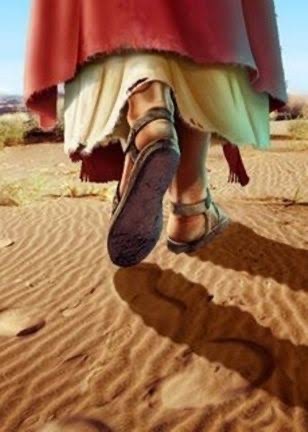
Al recuperar la verdadera identidad a la que nos conduce Jesús, desaparecen los temores que inmovilizan en la pequeñez del yo fragmentado. La lucha “no es contra carne y sangre, sino contra principados, contra gobernantes, contra los poseedores de este mundo de tinieblas y contra los espíritus malignos que están bajo los cielos” (26). Estos poderes espirituales y gobiernos materiales, disfrazados de “ángeles de luz”, son hostiles al desarrollo espiritual y material equitativo e integral de la humanidad. No estamos desamparados para emprender la lucha por la liberación espiritual, mental, física y emocional. Dijo Jesús: “Toda autoridad me ha sido dada sobre los cielos y la Tierra… yo estoy con ustedes todos los días, hasta el fin del mundo” (27).
(1)Génesis 1:27 Biblia Peshitta en Español. Traducción de los Antiguos Manuscritos Arameos. Instituto Cultural Alef y Tau 2006
(2) Hechos 17:28 id
(3) Juan 17:21 id
(4) San Juan de la Cruz Que bien sé yo la fonte que mana y corre Obras Completas Editorial Monte Carmelo 2003
(5) Juan 3:3,7 ibid
(6) Lucas 17:20,21 El Nuevo Testamento griego palabra por palabra, Sociedades Bíblicas Unidas 2012
(7) Marcos 8:22-26 Biblia Peshitta op cit
(8) Lucas 9:62 id
(9) Mateo 5:38 ibid
(10) Mateo 5:43 ibid
(11) Mateo 5:44,45 ibid
(12) Mateo 12:25 ibid
13) Mateo 9:16-17 ibid
(14) Lucas 6:31 ibid
(15) Mateo 22:39 ibid
(16) Juan 8:12 ibid
(17) Mateo 5:14 ibid
(18) Lucas 11:34 ibid
(19) Lucas 11:33 ibid
(20) Lucas 11:35 ibid
(21) Mateo 24:43 ibid
(22) Mateo 5:9 ibid
(23) Mateo 23:27 ibid
(24) Lucas 4:18-19 ibid
(25) Juan 18:36 ibid
(26) Efesios 6:12 ibid
(27) Mateo 28:18,20
… pasaré mi cielo haciendo el bien en la tierra
Santa Teresa de LisieuxSomos entidades híbridas: esencia espiritual infundida en cuerpos materiales en profunda interrelación mutuamente influyente que nos deja abierta la posibilidad de escoger cómo deseamos existir. La decisión que tomemos definirá no sólo nuestra presencia en el mundo material como individuos consustanciales con el Creador o como depredadores, sino además el modo en que existiremos después de morir. Esta unidad indivisible nos inscribe en dos planos de existencia: el material temporal común a toda la creación y el infinito eterno.
Esta interrelación nos otorga plena capacidad para transformar la materia en inteligencia infinita o para reducirla a un estado de caos. Bajo nuestra responsabilidad está todo lo creado, incluidos el agua y la tierra que son entidades vivas como lo es todo el universo. El Eterno da forma y sostiene a todo lo existente; la humanidad hecha de arcilla y espíritu, temporal y eterna a la vez, tiene la posibilidad de actuar en armonía con su esencia espiritual. Solamente mientras estamos encarnados podemos expandir nuestra conciencia de unidad o limitarla a lo inmediato y a lo particular. En el Zohar el cuerpo humano es llamado naal, zapato porque, así como el zapato sólo cubre el extremo inferior del cuerpo, en el cuerpo humano sólo entra el extremo inferior de nuestra esencia inmaterial; el resto se extiende en unidad hasta mundos no materiales de inteligencia y compasión infinitos.
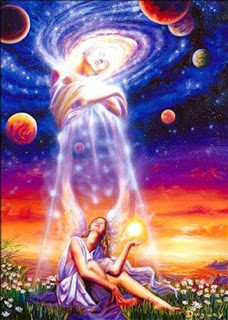
El ser humano consciente de su realidad infinita conecta el cielo con la tierra; cuida y respeta todas las manifestaciones de la creación temporal, incluido su propio cuerpo, pero se comporta como un ser eterno reflejando la conciencia de unidad en todo lo existente. Mujeres y hombres de todas las culturas y religiones han mostrado que aún sometidos a las peores vilezas y en dramáticas condiciones de existencia —como son la pobreza extrema y los campos de concentración— es posible vivir en conciencia infinita. Cuando cesa el aferramiento a la particularidad y se desvanece la idolatría al cuerpo, la muerte ya no se entiende como el fin de la vida sino como su transformación. Nuestro propósito no es ser ángeles incorpóreos —ya hay infinidad de ellos y no nos corresponde ese lugar en la creación— sino seres plenamente humanos, enteramente conscientes de nuestra capacidad y responsabilidad de vincular la vida material y la inmaterial, los planos más densos con los más sutiles.
El cuerpo energético que se forma como resultado de los pensamientos, sentimientos, intenciones, palabras y acciones que acostumbramos a tener durante la vida material no desaparece después de morir. Esos estados energéticos guardan, entre otras informaciones, las relativas a los hábitos y a la apariencia física que caracterizaron en su vida material a las personas ya fallecidas. Por medio de dichas energías ellas continúan presentes en estrecho contacto con los vivos, influenciándolos, aunque éstos no sean conscientes de su existencia.
Al desaparecer la ilusión de un yo separado se accede a la conciencia unificada, transformándose la angustia existencial en sentido trascendente de la vida. La persona que logra esta transformación se libera de los apegos de su naturaleza animal, renuncia a ser una voluntad individual en discordia con otras voluntades particulares y se unifica con la voluntad suprema. La individualidad, la diferencia entre las partes, es el fundamento de la pluralidad que caracteriza a la creación, pero hay que ir más allá del árbol y mirar el bosque como unidad sin perder de vista la particularidad del árbol.

El mal es la negación de la conciencia de unidad, su no aceptación. Los pensamientos y acciones de desunión, de desamor, se manifiestan en odio y miedo. El miedo, que es la falta de amor, restringe, contrae. Quien vive en el estado energético de miedo se mantiene constreñido a recibir, permaneciendo en conflicto, confusión, carencia, desequilibrio; no fluye, se estanca. Quien se aferra a predominar en su pequeño yo, enalteciéndolo como si fuera Todo se estanca en su fragmento, en su particularidad, convirtiéndose a sí mismo en ídolo. El cuerpo energético de la persona que no se desprende de esta idolatría permanece después de su muerte en un estado de desorden y turbulencia aún más agudo que el experimentado durante su vida material, debido a que carece del cuerpo físico que es el vehículo para obtener la satisfacción del deseo. El aferramiento idolátrico a la particularidad —a un yo y lo mío— obstaculiza el alcance al que pudiera acceder la conciencia humana.
El estado energético de amor caracteriza a la conciencia de unidad; donde hay amor hay paz. El amor, además de una emoción es una energía, un poder que aglutina a lo particular en lo general. Por lo contrario, la conciencia fragmentada fija su atención en lo particular porque no comprende lo general, no percibe la integración de todo lo existente. El odio es un estado energético de aferramiento a un falso yo: odia quien vive ignorando al prójimo, quien lucha por ejercer control sobre personas y situaciones para afianzar la particularidad de su pequeño yo y sentirse seguro. Como un Narciso prisionero de su propia imagen, no se aparta del reflejo efímero al que se dedica con afán, anhelo y apego, temiendo por encima de todas las cosas perder su particularidad. Este empeño por sostener su singularidad conforma energías negativas que no desaparecen después de morir.
Los sentimientos de desamparo ante lo imprevisible y la imposibilidad de controlar los cambios inherentes a la existencia humana causan incertidumbre. Cada persona se organiza para crear estructuras que le generen seguridad y estabilidad. Sin embargo, a pesar de todas las medidas que puedan tomarse para generar seguridad, la persona sumergida en la visión fragmentada de la existencia vive ansiosa, en estado permanente de alerta. El sujeto agobiado por la incertidumbre que le produce esta vulnerabilidad redirige la energía invertida en el miedo hacia objetos externos que le produzcan emociones alternativas, en un intento inconsciente por controlar la inseguridad que experimenta. Este mecanismo de defensa cambia el foco de atención de sus pensamientos y sentimientos de inseguridad. Aparentemente el miedo desaparece, pero no es así. No puede desaparecer en tanto no se transforme la visión fragmentada que lo origina. La persona que vive bajo estas coordenadas generará un cuerpo energético que no llevará a la liberación espiritual sino a la formación de un ser inmaterial encadenado en sus anteriores hábitos y apegos —que es la verdadera definición de fantasma— o a la reencarnación en un ser humano lastrado por ellos.
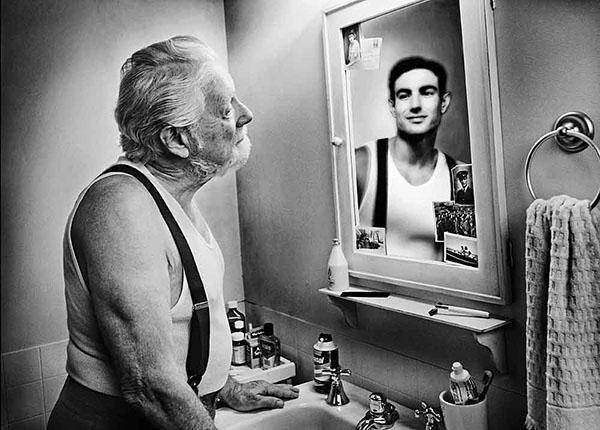
Particularizar, fragmentar genera división, conflicto. Donde existe el afán de mantener la particularidad se produce controversia y competencia por imponer las propias particularidades. Si la persona vivió apegada a la particularidad de su ego falso, su cuerpo energético permanecerá estancado en los apegos cultivados en su vida material. La compulsión por dominar y poseer se conserva en el estado incorpóreo. Cuando el sujeto entiende que su triunfo consiste en abandonar la falsa visión de la particularidad desaparecen las contradicciones y como consecuencia, abandona la necesidad de competir como estrategia para lograr su hegemonía: deja de luchar por mantener su particularidad. El propósito de la lucha se reencauza: de ser una contienda por la dominación y el control de otros se convierte en disciplina, en renuncia de los impulsos egoístas para hacer prevalecer los intereses comunes.
Al salir de la distorsión de la realidad causada por la conciencia fragmentada cesa el aferramiento a la singularidad y se comprende que el individuo es manifestación del Todo. Se entiende asimismo que la conciencia de unidad refuerza la verdadera identidad que trasciende a la identidad impermanente de la forma material. Como consecuencia de la asimilación de este conocimiento liberador la persona pacifica su alma: cesan el miedo a vivir y el miedo a morir. No nos debe preocupar tanto comprender estos misterios como tener presente que somos esta gran unidad, que estamos de facto en el Todo, independientemente de nuestro comportamiento, deseo o voluntad, y actuar consecuentemente.
El miedo, la ira, la violencia contra sí mismo y contra otros afligen de forma creciente a la humanidad que no halla consuelo ni sosiego. Una humanidad desesperada que no puede parar ni siquiera para dormir porque se siente insegura y amedrentada. Esta situación caótica es resultado de la falsa idea de fragmentación. La armonía surge al entender que donde pareciera que hay un vacío existe una inteligencia infinita que sostiene y conecta todo con todo: “El cielo, la tierra y yo vivimos juntos, y todas las cosas y yo formamos una unidad inseparable” (Chuang Tzu). Cuando se accede a esta certeza la vida adquiere un sentido infinito y eterno.
Existe una memoria interactiva interdimensional: nada desaparece, todo es almacenado y se conserva intacto en el registro de las manifestaciones del Todo. Nada muere, nada se extingue. Pasado, presente y futuro constituyen un desdoblamiento del tiempo según es percibido por la conciencia humana, pero en realidad sólo existe el presente. El cuerpo energético conserva el estado de amor u odio, de paz o ira con que vivió, del mismo modo que conserva la apariencia física.
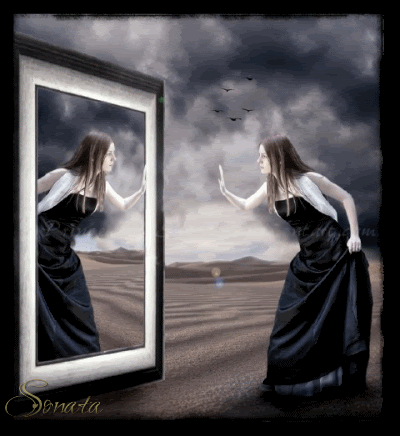
La entidad energética que se mantiene actuante después de la muerte tiende a adherirse por resonancia a personas vivas, reforzando sus características personales. Estas entidades incorpóreas llamadas dybbuk por la mística hebrea influencian los pensamientos y acciones del sujeto al que se adhieren sin que éste se percate de la resonancia en la que está participando. El reforzamiento agudiza los estados previos propios del ser vivo. No sólo los hospitales psiquiátricos y las prisiones sino gran parte de la humanidad está sometida bajo el poder de estas energías incorpóreas.
El estado energético que cultivamos durante la vida material continúa existiendo después de la muerte. Dicho estado puede hacerse de nuevo corpóreo en una reencarnación o puede permanecer incorpóreo, pero con conciencia, como dybbuk, como fantasma en dependencia del tipo, características específicas e intensidad de las experiencias mentales y sensuales que lo conformaron. El proceso de apertura al entendimiento liberador es progresivo; para lograrlo es necesario detener las repeticiones emocionales y liberarse de las falsas identidades y apegos. El cambio ocurre al darse cuenta que el yo físico es una ilusión transitoria. Tenemos la oportunidad de crear hoy nuestra existencia futura, en lo que nos convertiremos después de morir: santas, santos, bodhisattvas, dybbuk o fantasmas. “Camina con los pies en la tierra, pero teniendo la mirada y el corazón en el cielo” —San Juan Bosco.
The post Y DESPUÉS DE MORIR, ¿QUÉ PASARÁ? —Entre el espíritu y la materia first appeared on Aída Reboredo.]]>Those who have left us are not absent ,they are invisible
St. Augustine. Narrations about the PsalmsThe influence of the ancestors is not limited to genetic inheritance, the transmission of habits, or the repetition of behaviors. Important dates, accidents, events, and diseases are repeated by the descendants even when the memory of the predecessor has been suppressed for several generations. Silenced conflicts and hidden stories resurface in the living. By means of psychotherapies employing non-invasive techniques of the conscience the unsolved stagnated conflicts of the dead ancestor are released within the descendant’s mind.
To ignore the past makes us its prisoners. Getting to know oneself requires awareness of the transgenerational elements that constitute the reality of an individual. Ignorance of these structural components prevents the detection of states that are repeated from ancestors to descendants in long intergenerational chains.

New generations are vessels of old unsolved family conflicts that can be identified and transformed in psychotherapeutic sessions of deep relaxation. In these settings, people and spaces that no longer exist in the current world are accessed. Even though these scenes and their actors have physically disappeared, they remain alive in a different dimension closely linked to our reality. The person in a suprasensitive mental state —beyond sensory perception— produced by deep relaxation under the guidance of a psychotherapist, can interact in those scenes suspended in time. Whoever knows its past owns its present.
Ancestors and descendants, living and deceased, remain interconnected. A human being is not only a material body. Beyond the physical body perceived through the five senses, beyond the emotional body and the intellectual body exists a spiritual body composed of several layers; the outmost encompasses the entire physical universe. The spirit is not limited by space or time and supports everything that exists. A fragmented vision considers that matter and spirit are two independent realities; however, they are an indivisible unit. Matter and spirit are interdependent realities.

The spirit does not depend on the material life of a body to exist. Only under certain circumstances it is binded to physical forms but not restricted to them. Life is a manifestation of the spirit, which is the observer of material existence. When a person dies, its information records, the memory of its existence remains active. The limited perceptive capacity of the five senses, and the limited faculties of the rational mind, make the detection of the subtle planes very difficult. However, the fact that we cannot perceive them does not mean they do not exist. Suprasensorial knowledge goes far beyond the limited receptive capacity of the organs of perception and the rational mind.
The information obtained via the extrasensory route is not limited to the present existence. We also have access to the past — not only to ours — and to the future. All human beings receive information about the future through dreams and premonitions; however, not all of them take these warnings from other dimensions seriously, nor do they manage to interpret them correctly. It is also possible to receive information about past lives and beings existing in other dimensions through regression and transgenerational psychotherapies.This information is received through mental voices and images.
Awake or asleep, we are permanently and continuously linked not only to our own past and present but to the past and present of others, including those who have no physical body. Similarly, we remain linked to invisible dimensions, although we are not always aware of them. The present is not reduced to what we perceive with the senses in the here and now but is a complex network of interconnections and exchanges of information between times and dimensions with which we are in close connection and interaction. We are not alone, we do not depend only on what we see, feel, hear, or what we have stored in our memories. We are part of an interdimensional universe in permanent interdependence and communication.

Those individuals who are led into deep relaxation states through non-invasive techniques during psychotherapeutic sessions visualize unknown deceased relatives of whom they never even heard their names or had any reference of. Under the state of relaxation rational and verbal functions characteristics of the brain´s left hemisphere diminish while thought by images, characteristic of the right hemisphere, intensifies. In this state, images allowing knowledge about past events arise. The psychotherapist asks the subject to translate the images into words, to transfer them from an immaterial meditation state to a conscious knowledge, structured through verbal language.
In these sessions, the subject realizes that it is repeating the ancestor’s life. It becomes aware that what it was considering as personal events and fortuitous situations are repetitions of the life events of the deceased relative. Psychotherapeutic work allows the individual to relate to that entity from the past as if it were a physically present person. In these encounters they can see, hear, converse, and even touch each other. A meeting with the ancestor usually generates in the descendant a feeling of completeness in addition to allowing the person to clarify its own existence.
This psychotherapeutic intervention interrupts the transgenerational repetitions because it unties the knots of conflict that kept the spiritual presence attached to the subject’s energy field. Special skills are not required to have access to an experience beyond the perception from the senses, but the guidance of a psychotherapist specialized in the transgenerational method is essential.

It is common for the ancestors who manifest themselves during a psychotherapeutic session to have been rejected by their families for several generations: secret envelops their existences. Their memory however remains active in the untold, in the silence. Rejection is the family response to those who challenge the image that the family wants to portray. Denying a transgressor member and their direct descendants generates less family uncertainty than questioning its own responsibility before the critical event. This denial is a psychological defense mechanism. The rejected ancestor lives on even if its name and deeds have already been forgotten. Since no one dies because only matter can die —the physical body— the spirit of the ancestor perpetuates the state of conflict experienced during its life.
Whatever one resists persists. Whatever one rejects stagnates. Hidden conflicts generate blockings that affect not only the mind and body of a living person, but stagnations that persist even after its death. These energy blockages created by unsolved conflicts are kept waiting for a solution, regardless of the time elapsed between the individual’s death and the present time. Commonly, the rejected ancestor reflects the unsolved issue in a descendantwho will manifest it through various physical and psychological pathologies. During its lifetime the descendant will repeat events similar to those experienced by its ancestor with whom it maintains an energy and spiritual bond by affinity.
Suicide is an extreme case of conflict that tends to be silenced for generations; it is an event that cannot be singled out or isolated from the psychosocial dynamics of the family group. The suicidal individual is the group emergent who shows through its decision the severe issues that the family prefers to reject rather than analizying itself and proceeding to a honest correction. As a mechanism to protect the state the family wishes to preserve, the suicidal member is condemned to oblivion. Its name is no longer pronounced and silence and marginalization also reach its children. Even though the original events and the person’s name remain hidden in the greatest secret, the crisis echoes on through several generations. Oblivion does not solve the conflict; on the contrary, it exacerbates it.

The unsolved conflict generates an energy state that could manifest itself in a descendant, causing psychological and physical symptoms that simulate the situation suffered by the ancestor. These effects vanish when the descendant gets in touch with its ancestor and learns its story. The empathic dialogue between them makes stagnation flow, and the ancestor’s original conflict as well as its repercussion on the descendant disappears.
Thereby the transgenerational psychotherapy has healing effects that impact not only the patient but also the ancestor involved. The life of the ancestor who expressed itself from the silence through the descendant returns to the present. When given a voice, the conflict resolves, and pathological effects affecting the descendant disappear. This is possible because past, present, and future are three simultaneous realities. Ancestors and their descendants are linked even though they exist in different dimensions and times. The different planes and forms of material and spiritual existence coexist in the present, here and now.
When a descendant understands and accepts with no judgment what happened to the ancestor and captures the complexity of the ancestor’s life within its context, the conflict fades, and repetitions cease. What kept the conflict unresolved was the concealment and the secrecy. The revelation of the secret breaks the chains of transgenerational repetitions.
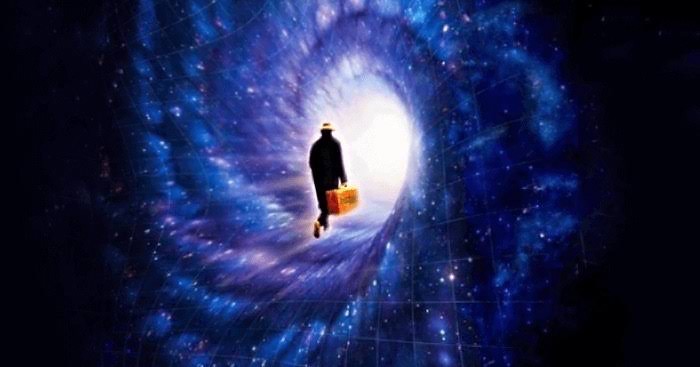
The human body and in general all living matter have a colloidal character which requires water to maintain its properties. Water constitutes 70 to 80 percent of our body weight. Even bones are made up of 22 percent water. Water is the foundation of our life. Even though we are creatures of water, we are oblivious to its needs, and we still have not awakened to the fact that water’s needs are also our needs.

Research on water by Masaru Emoto allows us to visualize through images what perennial wisdom has always known: that water is sensitive, that has memory and consciousness. Photographs of water crystals show the changing shapes and colors that its clusters or aggregates of molecules acquire depending on the type of information they receive and store. This property of the water molecules lay in the fact that its positive and negative poles act like magnets, adhering to form complex aggregates. Similar to what happens with snowflakes, there are not two water clusters alike. Each energetic influence creates adifferent arrangement of water molecules (1).
It is not surprising that water taken from a free-flowing river is structured in hexagonal crystals of great beauty and water from a polluted river does not exhibit a harmonious structure. The integrity and beauty of the river with crystal waters is manifested on each of its drops. Each drop of water of that source shows in its small dimension the same beauty of the entire river. Similarly, the drop of water from the polluted river reflects the conditions of its waters in clusters with dying shapes and opaque colors. It could not be otherwise. The part is a hologram of the whole. If we would have drunk from the hexagonal harmonious water it would have produced different effects in our bodies and minds than if we would had drunk from the polluted river, even if we would had scrupulously filtered the polluted water. This is because the memory of the water would had kept the vibrations of its deplorable previous state.
Water stores not only information but also stores feelings and consciousness. Thoughts, emotions, sounds, words, writings, music, create geometric molecular structures that respond to the vibrations received. Water exposed to vibrations of hatred and anger responds by creating dark, disorganized, asymmetric clusters, similar to clusters of water taken from polluted rivers. Water exposed to information of love and gratitude acquires beautiful symmetrical structures like the water of rivers that run freely unscathed. Let’s not forget that we are creatures of water.
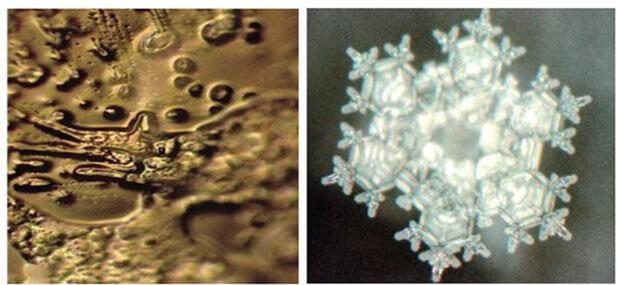
ODIO – AMOR
Perennial wisdom transmit through men and women dedicated to the task of remembering and sharing memories, that everything is alive and conscious. Fragmentation is a fallacy of the mind that once awakened from the nightmare of separateness, will realize that everything is One. Nothing can exist outside of the whole, otherwise it would not be the whole. The whole is infinite… it is immutable (…). The whole is infinite living Mind: the enlightened one calls it Spirit (2).
Water, which constitutes between 70 and 80 percent of the planet and our bodies, teaches us through the language of its clusters that not only chemical pollutants and atomic bombs can destroy it along with the life that it supports, but also thoughts, feelings and words can heal it or make it sick. If the electromagnetic vibrations of love or hate can heal the water or make it sick, the same will happen with the living matter that is primarily made up of it.
Water crystals from a polluted river that have been spoken to with phrases of love and gratitude transform their chaotic disorganized structures into beautiful and luminous hexagonal structures. Ho’oponopono, a Hawaiian tradition, ancient method of reconciliation and forgiveness practiced by unified conscience cultures of the South Pacific, adapted as a healing practice by Morrnah Nalamaku Simeona and spread in the West by her disciple Hew Len, consists in awakening of the conscience of love and gratitude with phrases addressed to the Whole: I’m sorry, forgive me, thank you, I love you. Masaru Emoto did something similar with water and the diseased clusters were restored though resonance with the vibration of love.
Approximately 2,500 years ago Lao Tzu, to whom the Tao Te Ching is attributed, wrote:
The highest goodness resembles water
Water greatly benefits myriad things without contention
It stays in places that people dislike
Therefore it is similar to the Tao
Dwelling at the right place
Heart with great depth
Giving with great kindness
Words with great integrity
Governing with great administration
Handling with great capability
Moving with great timing
Because it does not contend
It is therefore beyond reproach (3)
The I Ching Book of Changes of Chinese ancient wisdom explains the symbol K’an, the Abyss, the Water: The movement of water goes from the top to the bottom. Water comes from the earth, but it is found in the sky, so its tendency is to return down… The water flows and does not accumulate anywhere; it crosses dangerous places and does not lose its reliability … Water flows uninterruptedly and reaches its goal … Thus, the noble lives in constant virtue exercising the business of teaching (4).
Water flows, moves, it does not try to prevail anywhere, its place is movement itself. It does not matter if it is found in a puddle or in snow on the top of a mountain; it is still water. Its constant is change, transformation. Water teaches us how to live. The words that generate the most touching water crystals are thank you and love. That which is beneficial to water in nature is also beneficial to the water that makes our bodies, sustaining conscience and physical life. That which creates dark and unshaped water crystals also creates dark and unstructured consciences in humanity which in turn damage the Earth.
We are not only depleting water resources from a quantitative perspective, but we are doing it from a qualitative perspective as well. We are water beings like all the other creatures on Earth. As long as we keep the memory of water in a nightmarish state, so our memory and the memory of those with whom we share the planet –which is interdependent with the memory of water— will continue to be in a state of nightmare.

Material and spiritual bad habits and growing age diminish the amount of structured water in the body increasing the amount of unstructured water. To heal our bodies and minds is to heal the water that sustains the living matter that we are made of. We can achieve this by drinking quality water and providing vibrations of love and gratitude to All. Water is the carrier of information which we absorb when we drink from it, becoming a part of our body (5). Water transmits to our cells its state of conscience.
The physical quality of water cannot be separated from its spiritual quality. Conscience affects matter. The water we consume will determine not only health of our bodies, but also our mental and emotional wellbeing. The quality of the water and not the quantity we drink is a determining factor in the level of hydration or dehydration of the body, the alkalinity or acidity of the blood, and the oxidation of our cells. In other words, the quality of the water we consume is the determining factor in achieving a physical, mental and emotional balance.
The water that most of the humanity consumes does not meet the biological requirements for life. Water memory preserves the electromagnetic profile of the substances that had been dissolved into it, even if they are no longer present. Water is made safe for consumption by eliminating impurities, chemicals, and microorganisms. However, the vibrational pattern of toxins stored in its memory and transmitted to the living matter that encounters, is not transformed. Because of its memory capacity the crystals of water treated with conventional purification systems present distorted structures that contrast with the beautiful structures of water that has not received chaotic vibrations. Water, treated and purified by methods that do not consider its conscience, remains dead. It is precisely this water that is most used not only for personal hygiene, but also for drinking and cooking. Fortunately, we do not only have the ability to damage the water, but we also can restore its essence by providing the appropriate means to rescue its original characteristics.
Bottled water is usually subjected to processes that tend to demineralize it. Under countless labels, it is packaged in disposable plastic bottles that are sold all over the world. It is common for disposable bottles to contain Bisphenol A (BPA), a harmful industrial chemical used since the 1960s. The use of these plastic bottles generates a high cost of life. Each year 28 billion bottles are produced which take approximately a thousand years to degrade. To manufacture them, 17 million barrels of oil are consumed, and 2.5 million tons of carbon dioxide are released (6).
Most of us do not have the possibility of drinking pure, unbottled spring water. Bottled spring water has lost its original memory and manifests in its clusters the vibrations to which it was subjected to; vibrations foreign to its pure source. However, we have the opportunity and responsibility to drink water that has regained its essential characteristics of conscience and has become spring-like water.

There are systems for restoring the essential memory of water and its chemical and structural characteristics, in such a way that the drinking tap water is regenerated and converted into spring-like water. To achieve this, the water must be initially purified with filters that follow the principle of natural filtration of mineral spring water. It must also be alkalinized, mineralized, ionized with anions, magnetized, and structured.
Those who systematically consume water that has recovered its physical and chemical purity and its essential conscience experience favorable effects in their physical, mental and emotional health. If an attitude of gratitude and love is added to the consumption of this living water, a great transformation will undoubtedly be experienced. By healing our lives, we will heal the Earth.
(1)Masaru Emoto y Jürgen Fliege El poder curativo del agua https://angelcuantico.com/formacion/elpodercurativodelagua.pdf
(2) El Kybalión, Editorial Prana México 2019; pp 40, 41, 43
(3) Tao Te Ching SkyLight Paths, 2011; 8
(4) I Ching Comentarios de Richard Wilhelm Editorial Hermes, México 1988; pp 196-197
(5) Masaru Emoto y Jürgen Fliege, op cit p 11
(6) Datos difundidos por la empresa japonesa Nikken
bioenergiaholistica.mitiendanikken.com
The post THE CONSCIENCE OF WATER – Healing Memories first appeared on Aída Reboredo.]]>Whoever controls the people’s fears becomes master of their souls –Niccolo Machiavelli
Aída Reboredo Arroyo…. fill the earth and subdue it; have dominion over the fish of the sea, over the birds of the air, and over every living thing that [h]moves on the earth. To subdue and exercise dominion does not mean to abuse, to kill, or to slave; instead it means to guide, to protect, and to take care. The context of Genesis is precise; to dominate creation excluded animals slaughtering because all beings of the alluded Era were vegetarians: I have given you every herb…. and every tree whose fruit yields seed; to you it shall be for food. Also, to every beast of the earth, to every bird of the air, and to everything that creepson the earth, in which there is life, I have given every green herb for food; and it was so (1).
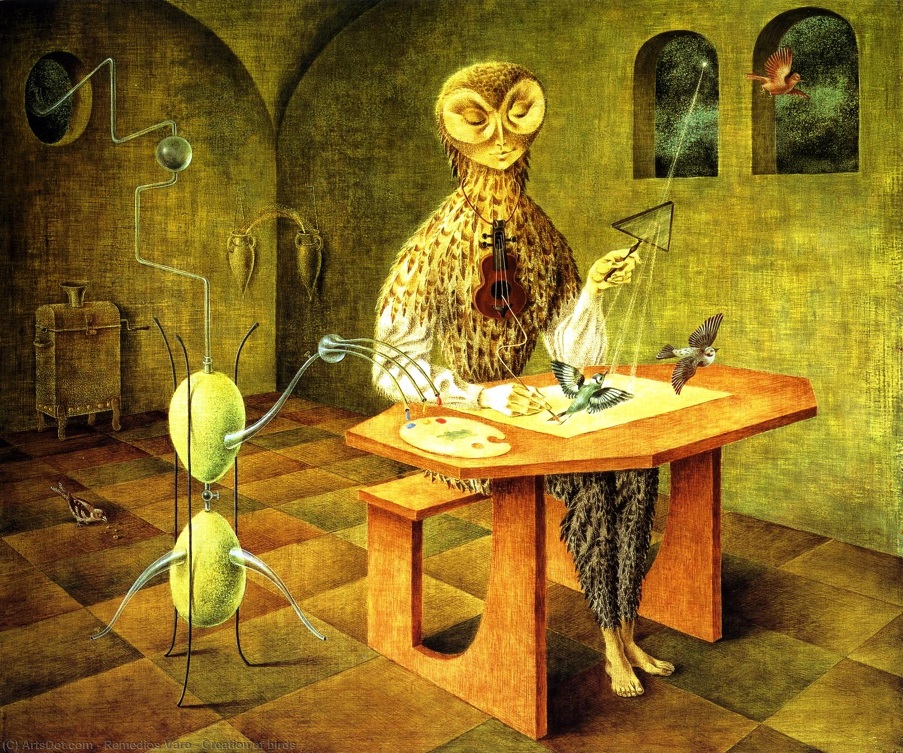
This peaceful coexistence ended when Adam and Eve, tempted by the most cunning of all the living beings of the field that Yahweh God had made, ate from the forbidden tree of the knowledge of good and evil, becoming gods. In response Yahweh cursed the entire Earth, and said: Behold, Adam –generic name of humankind- has become like one of Us, to know good and evil. And now, lest he put out his hand and take also of the tree of life, and eat, and live forever— Immediately … he expelled him from the Garden of Eden and put a cherub to prowl the east of the Garden of Eden with a sharp sword that turned in all directions to guard the way to the tree of life (2).
The first children of Adam and Eve, Cain and Abel, did not have better luckthan their parents. Abel brought of the firstborn of his flock and of their fat. And the Lord respected Abel and his offering …Cain brought an offering of the fruit of the ground…. but He -the Lord- did not respect Cain and his offering. And Cain was very angry, and his countenance fell. …Cain rose up against Abel his brother and killed him. And He said, What have you done? The voice of your brother’s blood cries out to Me from the ground. So now you are cursed from the earth…. a fugitive and a vagabond you shall be on the earth. Cain went out from the presence of the Lord and dwelt in the land of Nod on the east of Eden. The previous account provides the first record of homicide and animal offering dedicated to Yahweh (3).
There were giants on the earth in those days, and also afterward, when the sons of God came into the daughters of men and they bore children to them. Those were the mighty men who were of old, men of renown (4). The New Testament explains from a spiritual perspective this invasion of foreign beings into the planet: For if God did not spare the angels who sinned, but cast themdown to hell and delivered them into chains of darkness, to be reserved for judgment (5) …and the angels who did not keep their proper domain, but left their own abode, He has reserved in everlasting chains under darkness for the judgment of the great day (6).
For we do not wrestle against flesh and blood, but against principalities, against powers, against the rulers of the darkness of this age, against spiritualhosts of wickedness in the heavenly places (7). Spiritual entities allied with financial, political and
religious hierarchies control the Earth and creation: For we know that the whole creation groans and labors with birthpangs for the creation was subjected to futility, not willingly, but because of Him who subjected it in hope; because the creation itself also will be delivered from the bondage of corruption into the glorious liberty of the children of God (8).
The strategies of these dominant hierarchies are constantly changing, but the purpose of keeping creation prey to vibrations of fear and insecurityremains the same for millennia. Humanity, blinded by itself and ignoring itsliberating role, has not used its intelligence and capabilities to care for creation, but to enslave it. The dominion that was conferred to humankind over the fish of the sea, over the birds of the air, and over everyliving thing that moves on the earth (9) resulted in the unlimited generation of suffering which as a consequence of the law of cause-effect, returns like boomerang onto itself. What is given, is received. Giving and receiving constitutes a single relationship.
Humankind is a unit, a body that faces two options: to awaken to the unified conscience or to continue to be fragmented, enslaved and enslaving, paying tribute to gods considered as omnipotent. Believing in a wrathful god generates the perception of helpless women and men under the power of aruthless demiurge. It is comforting to know that this is not the only visionneither the most real.
To prevent the evolution of human consciousness, the dominant hierarchiesapply various strategies with the purpose of keeping humanity blinded to itsown greatness which have been established in the image and likeness of the creative intelligence. From the cradle to the grave, human life tendsto unfold outside Eden, the place of inner peace that is accessed when fragmented consciousness is transformed into unity. And
whoever is blind in this [life] will be blind in the Hereafter and more astray from the path (10). The state in which you live will determine the state in which you will die. The state, in which you change dimensions, is the state you will continue your existence indefinitely, in the Afterlife (11).
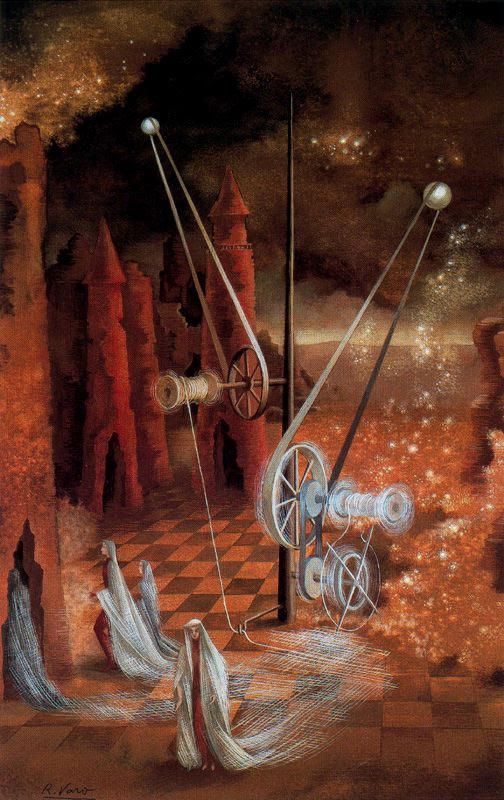
It is liberating to move from a fragmented conscience to a unified one because the dualistic vision is then transformed into an integrating one. The fragments tswhich seemed unrelated are then captured as interdependent elements of unity, generating an inclusive universe for the conscience. This can be synthesized in the Mayan greeting In lak’ech, I am another you, Hala ken, you are another me. Affirmations derived from the Abrahamic religions also referto this unit such as: Shema Israel, Adonai eloheinu Adonai ehad —Hear, O Israel: The Lord our God, the Lord is one (12); I and my Father are one (13); La ilaha illallah —There is no God, but Allah (Unity) (14).
No deceit, no strategy of the powerful has the ability to destroy the truth; it can only be temporarily veiled. The antidote to fear is truth: And you shallknow the truth, and the truth shall make you free (15). What is the truth? Pontius Pilate asked Jesus. The message of Jesus shows his intertwining with a powerful, personal and intelligent force that he called the Father of all creation. Jesus said: If people ask you: Where are you from? tell them: We come from the light, where the light is born of itself. Where it stands and manifests itself in its image. If they ask: Who are you? tell them: We are hischildren and we are the chosen of the Living Father. If they ask you: What is the sign of your Father that is in you? tell them: It is movement and rest (16).
Genesis interprets the flood —natural catastrophe recorded by divers ancient cultures— as Yahweh’s punishment for the wickedness of humanity. So the Lord said, I will destroy man whom I have created from the face of the earth, both man and beast, creeping thing and birds of the air, for I am sorry that I have made them (17). When torrential waters ceased, Noah built an altar to the Lord, and took of every clean animal and of every clean bird, and offered burnt offerings on the altar. And the Lord smelled a soothing aroma. Then the Lord said in His heart, I will never again curse the groundfor man’s sake, although the imaginationof man’s heart is evil from his youth; nor will I again destroy every living thing as I have done (18).
A violent humanity conceives a violent god and presents him suffering and death as a suitable offering; it could not be otherwise. And the fear of you and the dread of you shall be on every beast of the earth, on every bird of the air, on all that move on the earth, and on all the fish of the sea. They are given into your hand. Every moving thing that lives shall be food for you. I have given you all things, even as the green herbs. But you shall not eat flesh with its life, that is,its blood. Surely for your lifeblood I will demand a reckoning; from the hand of every beast I will require it, and from the hand of man. From the hand of every man’s brother I will require the life of man (19).
Non-violence as a practice is the ethical basis for the creation of a just and peaceful society and is within the reach of each individual. We
have the power to free ourselves through the practice of non-violence. Jesus and Buddha Siddhartha Gautama among other spokesmen of the message of unity, took the praxis of non-violence as the axis of their teachings in contrast to the practice of systematic and indiscriminate violence exercised by the dominant spiritual and human hierarchies. Those who choose to free themselves and their environment from these controlling strategies have the power to pacify their thoughts, emotions, intentions, words and actions. The powerful are no longer capable of controlling this quietly and personal power of non-violence which consists in causing no suffering to any creature, with no exceptions. Practicing non-violence requires the awareness of interconnectedness to be stronger than the energies of anger, ambition, and fear. In societies whose governments, religious and financial hierarchies legitimize violence as a way of life, the individual practice of non-violence creates transformative resonances since everything is intertwined and mutually determined as infinite reflections in a mirror.
Parallel to animal sacrifices practiced by the people of Israel, there were also non-bloody rituals such as those performed by the king and priest Melchizedek, who brought out bread and wine, and blessed him saying: Blessed be Abram of God Most High, Possessor of heaven and earth; And blessed be God Most High, Who has delivered your enemies intoyour hand. So Abram gave him a tithe of all (20). This significant fact that bears witness to a priesthood free from animal slaughter is only mentioned briefly in Genesis and in Psalms before becoming an important theme of the book of Hebrews, where Jesus self-identify himself as a priest of the Order of Melchizedek: The Lord has sworn and will not relent, you are a priest forever according to the order of Melchizedek (21).
Years after meeting Melchizedek, Abraham heard a voice asking him to offer hisson Isaac in holocaust, a request that did not surprise him since children offerings to the god Moloch were common. Moloch was the fearsome and powerful deity of Babylon and Ur of the Chaldeans, Abraham’s home city. Then they came to the place of which God had told him. And Abraham built an altar there and placed the wood in order; and he bound Isaac his son and laid him on the altar, upon the wood. Abraham stretched out his hand and took the knife to slay his son but the Angel of the Lord called to him from heaven: Do not lay your hand on the lad, or do anythingto him; for now I know that you fear God, since you have not withheld your son, your only son, from Me. Then Abraham lifted his eyes and looked, and there behindhim was a ram caught in a thicket by its horns. So, Abraham went and took the ram, and offered it up for a burnt offering instead of his son (22). These events happened in a place called Mount Moriah, chosen centuries later by King David to build the Temple of Jerusalem.
Animals and humans share a common material origin: both are called in Genesis living souls (nephesh). This similarity could be the cause that allowed the god of Abraham to be pleased with the substitutionary sacrifice of an animal in exchange for human life.… for the life of the flesh is in the blood, and I have given it to you upon the altar to make atonement for your souls; for it is the blood that makes atonement for the soul (23).
According to the Qu‘ran, the sacrificial attempt did not happen to Isaac —son of Sarah— but to Ishmael, son of Hagar the Egyptian woman. Every year on Eid al Adha, the Feast of Sacrifice, the Islamic world commemorates Abraham’s obedience with animal sacrifices.
Exodus, the liberation of the Hebrew people from Egyptian captivity, markedthe beginning of tribulations towards the land promised to Abraham: I give to you and your descendants after you the land in which you are a stranger, all the land of Canaan, as an everlasting possession; and I will be their God (24). Before the exodus, before the tenth and last plague that killed all the first-born Egyptians, the god of Abraham, Isaac and Jacob, ordered Moses: every man shall take for himself a lamb, according to the house of his father, a lamb for a household… your lamb shall be without blemish, a male of the first year….the whole assembly of the congregation of Israel shall kill it….and they shall take some of the blood and put it on the two doorposts and on the lintel of the houses where they eat it. Then they shall eat the flesh on that night; roasted in fire, with unleavened bread and with bitter herbs (25). These sacrifices were reminiscent of the attempted immolation of Isaac by Abraham.
During a period that spanned nearly a thousand years, from the X b.C., date of the founding of the first Temple in Jerusalem by King Solomon, to 70a.d., when it was destroyed by Roman troops, the Temple was an animal slaughterhouse tended by numerous priests from the Levite tradition. The Hebrews did not end animal sacrifices due to doctrinal modifications, but because of the destruction of the Temple and the disappearance of the records concerning the priesthood.
The Passover of the Jews was at hand, and Jesus went up to Jerusalem. And He found in the temple those who sold oxen and sheep and doves, and the money changers doing business. When He had made a whip of cords, He drove them all out of the temple, with the sheep and the oxen, and poured out the changers’ money and overturned the tables. ‘And He said to those who sold doves, Take these things away! Do not make My Father’s house a house of merchandise!’ (26).
There are similarities between the teachings of Jesus and the concepts and practices of the Essenes, the ascetic Jewish community settled mostly on the western shore of the Dead Sea between the I b.C. and I a.C. These similarities include aspects concerning the kingdom of God, the baptism, disregard for wealth, duty to help the poor, weak and the elderly; as well as the rejection of the Temple priesthood and animal sacrifices inherent to its priestly function. The Essenes were recognized healers; their diet consisted of fruits, vegetables, and fish. Jesus differed from the Essene community and from the Judaism of his day on issues regarding women to whom he included having a protagonist role in his groundbreaking ministry.
There are several similarities between the ministry of Jesus and that of Melchizedek as described in the 11Q13 Dead Sea Scroll found at Qumran: He will proclaim… deliverance… from all their iniquities… for it is the year of grace (27). Jesus defined his ministry by reading the scroll of the prophet Isaiah in the Nazareth synagogue: The Spirit of the Lord is upon Me, because He has anointed Me to preach the gospel to the poor; He has sent Me to healthe brokenhearted, to proclaim liberty to the captives and recovery of sight to the blind, to set at liberty those who are oppressed; to proclaim the acceptable year of the Lord… and He began to say to them, Today this Scripture is fulfilled in your hearing (28).
At dinner prior to his capture, Jesus offered fruits of the field: Jesus took bread, blessed and broke it, and gave it to the disciples and said, ‘Take, eat; this is My body.’ Then He took the cup, and gave thanks, and gave it to them, saying, ‘Drink from it, all of you. For this is My blood of the new covenant (29). The new covenant does not consist of external rituals but of the transformation of conscience. Being disciples of Jesus means believing and doing what he believed and did: Then Jesus said to those Jews who believed Him, If you abide in My word, you are My disciples indeed and you shall know the truth, and the truth shall make you free (30). To believe in Jesus means to practice non-violence, disinterested action, love the neighborin the conscience of unity: that they all may be one, as You, Father, are in Me, and I in You (31).
22. At some point, creation will return to its original peaceful state: The wolf also shall dwell with the lamb, the leopard shall lie down with the young goat. The calf and the young lion and the fatling together; and a little child shalllead them. The cow and the bear shall graze; their young ones shall lie down together; and the lion shall eat straw like the ox. The nursing child shall play by the cobra’s hole, and the weaned child shall put his hand in the viper’s den (32). Let’s contribute to the advent of this moment by renouncing violence in all areas of existence. The great transformation of the planet begins with the pacification of our hearts.
(1) Genesis 1:28-30 New King James Version (NKJV)
(2) Genesis 3:1,5,22-23,24 NKJV
(3) Genesis 4:3,4,5,8,11,12,16 NKJV
(4) Genesis 6:1,2,4 NKJV
(5) 2 Peter 2:4 NKJV
(6) Jude 6 NKJV
(7) Ephesians 6:12 NKJV
(8) Romans 8:20-22 NKJV
(9) Genesis 1:28 NKJV
(10) http://www.quran-wiki.com/ayat-17-72-AlIsra
(11) Ahmed Hulusi The Observing One www.ahmedhulusi.org/en/ p 30
(12) Deuteronomy 6:4 NKJV
(13) John 10:30 NKJV
(14) Shahadah, basic statement of the Islamic faith
(15) John 8:32 NKJV
(16) The Secret Gospel of Thomas In Elaine Pagels Beyond Belief. The Secret Gospel of Thomas Random House 2003, Logion 50
(17) Genesis 6:5-7 NKJV
(18) Genesis 8:20-21 NKJV
(19) Genesis 9:2-5 NKJV
(20) Genesis 14:20 NKJV
(21) Psalm 110:4 NKJV
(22) Genesis 22:1,2,9,12,13 NKJV
(23) Leviticus 17:11 NKJV
(24) Genesis 17:8 NKJV
(25) Exodus 12:3,5-8 NKJV
(26) John 2:13-16 NKJV
(27)https://www.academia.edu/35412797/_La_figura_de_Melquisedec_en_Qumrán_DavarLogos_XVI.2_2017_1-19
(28) Luke 4:18-21 NKJV
(29) Matthew 26:26-28 NKJV
(30) John 8:31-32 NKJV
(31) John 17:21 NKJV
(32) Isaiah 11: 6-8 NKJV
It is not only the city that is trapped. People’s voices are, too… The world is silent and that silence is dreadful. – Diary of Guojing, young woman isolated in Wuhan’s quarantine (1).o
Aída Reboredo ArroyoI’ll treatment of animals generates effects that no individual or nation, no matter how powerful it may think it is, can deny. Some effects are obvious, and others are not so evident due to the confusion of the fragmented minds. Every action generates a reaction, every cause an effect. A review of the causes that triggered the Covid 19 pandemic forces us to stop at the mistreatment of animals. Infliction of suffering generates suffering. The suffering experienced by humanity is not unrelated to the suffering that, without exception, is caused to animals. It is not by chance that the spread of Covid 19 started in the Huanan Seafood and Fish Market, located in the heart of Wuhan city.

In the Wuhan market 112 animal species were usually sold, some of them slaughtered and ready for consumption, such as rats, cats, pigs, snakes and bats. Others, still alive and caged, such as dogs, bears, venison. Its sad images travelled all around the world. Among other species for sale were foxes, giant salamanders, peacocks, wolf cubs, koalas, crocodiles, pangolins, civet cats, tigers, snakes, bats, raccoons, camels, monkeys, marmots and porcupines. The variety of species offered in Huanan, some of them endangered, made it an important Chinese traditional market.
The difference between Kosher or Halal meat displayed in well-lit supermarket aisles and the meat displayed on the bloody and humid aisles of Wuhan market covered by feathers, fish scales and viscera is its presentation, its form and appearance. Suffering is the same in the supermarkets as in Hunan market. All violently mistreated animals share the same suffering: Wuhan’ animals and those who reach the first world slaughterhouses go through the same terror, the same pain and suffering.
Violence against animals generates disturbing consequences on the planet that affects all living beings. Due to the unavoidable law of Cause and Effect, any suffering inflicted to animals will reflect itself in human suffering. Animal blood flows like rivers through the Earth. Humankind destroys animals and mutatis mutandi, animals transmit plagues which in return destroy humankind. A time will come in which human beings will be satisfied with vegetarian meals and animal slaughtering will be considered a crime, just like the murder of a human being… truly, man is the king of the beasts because his brutality surpasses that of the beasts. We live by the death of others. All of us are cemeteries —Leonardo da Vinci (2).
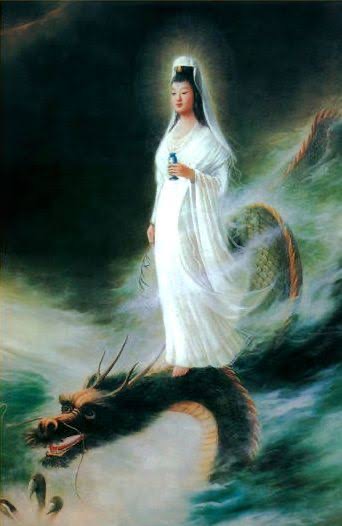
In 2017 meat production worldwide was almost five times higher than at the beginning of the sixties. It grew from 70 million tons to more than 330 million tons in 2017 (3). Animals are considered valuable commodities, inanimate objects from their birth until they are served on a dish. Eating meat not only impregnates the olfactory and taste memory systems generating the need to consume more, but also permeates the emotional and astral fields where all animal fear, suffering, and pain vibrations dwell. Anyone causing suffering to a living being is generating suffering to itself, because all that exists is an interdependent unity, an interbeing. We are mistaken if we think we can damage a part of the unit without damaging ourselves. If we harm a single part of the unit which we conform and conforms us, we are harming ourselves.
When unified conscience is attained and the fragmented vision of existence vanishes, we understand that animal and human bodies only differ in the diverse modalities of material nature that composes them, but both are manifestations of the Essence, like everything in existence. The humble sages, by virtue of true knowledge, see with equal vision a learned and gentle brahmana, a cow, an elephant, a dog and a pariah (4). We have the opportunity and duty to learn to be compassionate towards all beings, despite of their particular characteristics. Unified conscience, which is synonymous of living in love, generates understanding about the equality of all living beings. Mahatma Gandhi commented in relation to the aforementioned sloka: Interior unity compenetrates all life. Forms are many, but the spirit that provides form is one (5).
There is a tendency worldwide to decrease consumption of red meats and increase poultry consumption, especially chicken and turkey. After their brief period of accelerated growth, they are transported from the poultry yards to the slaughterhouses, where millions arrive already dead. In 2019 Thanksgiving celebration day 46 million turkeys were slaughtered in the United States. This country is the first producer in the world with 3.4 million kg of turkey meat per year. The vast majority of these are raised in crowded farms with a capacity to contain up to 25 thousand birds to which their beaks had been painfully amputated to avoid injuries amongst them (6).
For every egg-laying hen in the world, a rooster of the same species is crushed or suffocated at birth, since it is considered not to produce enough meat to make it profitable to raise it. This means the annual death of about 3.2 billion newborn chicks (7).
Millions of animals live permanently confined behind bars. Spain is the country of the European Union with the largest number of caged animals (92 million). It is estimated that the 99% of male pigs, 98% of female sows and 82% of chickens live in confinement. In 2018 in Spain 910 million animals were slaughtered, 54 million more than in 2017. Chicken slaughtering grew 46 million, pigs 2 million reaching a total of 52.2 million sacrificed pigs, of which only a third was consumed in Spain, the rest was exported to China and France (8).

Stunning methods used on mammals consist on a shot to the head or the application of electrodes before stabbing them. The most common slaughtering method is to cut the throat: the jugular vein and the carotid artery are sectioned with a knife. After cutting the throat of sheep and pigs, the animals are taken to scalding tanks and scorching ovens to eliminate their hair. Rules require verification of the animal’s death before proceeding with scalding and scorching; however, in practice many are submerged while still alive (9). It is obvious that stunning does not decrease the intrinsic violence of the act of killing. Any form of killing, with or without stunning, generates pain and terror.
Sheep, with a life expectancy of 15 years, are butchered when they are between 3 to 6 months of life; pigs, with the same life expectancy as sheep are killed between 3 and 6 months of age; calves, with a life expectancy of 25 to 30 years are slaughtered when they are between one to two years old; rabbits, with a life expectancy of 6 to 8 years, are sacrificed between their sixth and eighth weeks of life; chickens with a life expectancy of 10 years are regularly killed when they are six weeks old (10). A study regarding lamb mistreatment in the Mexican states of Mexico and Hidalgo highlights the practice of violent and clandestine slaughtering of animals as customary in the entire country. Each butcher kills up to three lambs at one time; a fact that allows us to imagine that these animals are slaughtered in a hurry and without compassion. Under these conditions more than 3 million lambs are butchered each year in the afore mentioned states (11).
A considerable number of animals cannot withstand long trips and die on route to slaughterhouses. European norms authorize 24 consecutive hours runs without rest for pigs and horses; 14 hours for sheep, cows and goats; 12 hours for chicken and rabbits. During these hours they remain in cramped spaces, some arrive injured or sick, they all arrive emaciated, and some die during the stretch. A study of chicken transportation made during four years in Italy in more than fifty slaughterhouses revealed that the amount of fowl dead on arrival reached up to 1.62% which translates into millions of chickens (12).
Animal mistreatment belongs to an exploitation system that is common to the entire planet and to its subjacent belief that considers animals as inanimate commodities. Animal ill-treatment is inherent to the meat industry. Modern slaughterhouses has been designed to kill the largest number of animals in the least possible time. Some companies slaughter up to 13 thousand pigs and 80 thousand chicken per working day (13).
Animal slaughtering by Kosher rite, which follows precepts of the Torah, does not avoid animal suffering. This method requires the butcher, or shojed, to be a learned and pious man capable of making a quick and deep incision on the neck of the animal to cut the jugular vein and the carotid artery on both sides, without damaging the spine. In the case of fowl, a transversal cut is made in the form of a half-moon on the neck. The goal of this technique is to drain the blood of the dead animal, in obedience of the Torah: for it is the life of all flesh. Its blood sustains its life. Therefore I said to the children of Israel, You shall not eat the blood of any flesh, for the life of all flesh is its blood (14). Only you shall not eat its blood; you shall pour it on the ground like water (15). It becomes evident that the Kosher way of killing does not eliminate pain and agony of its victims, despite of the butcher’s dexterity orthe sharpness of the blade.

Slaughtering by the Halal rite allowed by Islam only differs in some ritual details from the Kosher technique, without changing the acute animal suffering. The Halal method requires the butcher to pronounce the word ‘Bismillah’ (in the name of Allah) before proceeding to slaughter each animal. The animal is immobilized and laid down on its left side looking towards Mecca. In this position the jugular vein, the carotid artery, the windpipe and the gullet are sectioned preferably with one skillful cut —which is not always attained—. Halal rite animal slaughtering does not eliminate the victim’s pain or agony.
Both the Kosher and the Halal rite employ cruel animal immobilization techniques. This brutality has been widely documented by different groups for the protection of animal life. After being immobilized, suffering, terrorized and still fully conscious, the butcher makes the incision on the neck and slices the tissues. It takes several minutes for the animals to bleed to death. In some cases, while still conscious, they are hanged on hooks and the process of dismemberment starts. This frequently happens while the animal is still alive (16). An international movement against Kosher and Halal slaughtering methods exists arguing the fact that they do not stun animals before killing them. It is paradoxical that the legitimacy of the act of killing is not itself being questioned, but only the best method of doing it. As if a good killing method would exist.
Many Jewish voices have risen against animal abuse, one of them is Isaac Bashevis Singer, literature Nobel Prize, who wrote: In relation to animals, all people are nazis; for animals, this is an eternal Treblinka (17)
As long human beings will shed the blood of animals, there can be no peace (18).
United States, Australia, New Zealand and Argentina consume more than 100kg of meat per person per year, which means that each person annually consumes the equivalent of fifty chicken or half a cow. In 2018 the per capita consumption of meat in the United States reached its highest level in decades. In western Europe between 80 and 90kg of meat are consumed by each person per year. Poor countries consume ten times less meat than the European average (19).
Many meat consumers are not sensitive to animal suffering or aware of the electromagnetic vibrations of anxiety, pain and fear which get integrated to their bodies and minds when they eat animal meat. Other consumers are more sensitive to animal suffering; however, this sensitivity is not intense enough for them to change their eating habits. It is common that sensitivity towards animals is limited to some species, mostly pets and personal mascots. Sadly, the love professed to their pets does not take their owners to discover that all animals have feelings, emotions, intelligence and are creatures equally worth of love. Pythagoras said: As long as Man continues to be the ruthless destroyer of lower living beings, he will never know health or peace. For as long as men massacre animals, they will kill each other. Indeed, he who sows the seed of murder and pain cannot reap joy and love (20).
The Mahabharata, the sacred book of India —III century BCE— is clear regarding the complicity tying those who kill animals to those who eat their meat: The buyer of meat practices violence by virtue of his wealth; that who eats meat does so to taste its flavor; the murderer practices violence by tying and killing the animal. This, there are three ways of killing: that who brings or order meat, that who cuts the animal to pieces and that who buys, sells or cooks meat and eats it. All of them must be considered devourers of meat (21).
Each action generates its effects or reactions which are difficult to distinguish due to the complexity of the network of cause and effect. If animals are treated as food or are in some way abused, this ill- treatment will generate suffering not only to the victim but also to the perpetrator. If we long to heal the profound wounds that humankind has inflicted on creation, and which revert against it due to the inexorable law of cause-effect, it is imperative to stop killing. If a person abstains itself from eating meat, which corresponds to abstaining itself from killing, this person is liberating its conscience.
A vegetarian diet will provide peaceful and loving energy not only to our body but above all to our spirit —Pythagoras (22).
(1) https://www.bbc.com/mundo/noticias-51326231
(2) https://www.semana.com/vida-moderna/articulo/diez-importantes-vegetarianos-sus-frases-celebres/430047-3
(3) https://www.bbc.com/mundo/noticias-47119001
(4) Bhagavad Gita The Bhaktivedanta Book Trust International 1984;5.18.
(5) El Bhagavad Gita de acuerdo a Gandhi Editorial Kier, Buenos Aires 1991. Comentario de Mahatma Ghandi al sloka 5:18.
(6) https://www.ecoavant.com/consumo/estadounidenses-comeran-noche-46-millones-pavos-producidos-industrialmente_4814_102.html
(7) http://avicultura.proultry.com/empresas/project-in-ovo
(8) https://www.eldiario.es/caballodenietzsche/Dentro-matadero-investigacion-mataderos-espanol_6_848025205.html
(9) igualdadanimal.org
(10) https://www.google.com.mx/search?q=animal+aid&ie=UTF-8&oe=UTF-8&hl=es-mx&client=safari)
(11) https://aristeguinoticias.com/0411/mexico/violaciones-sistematicas-en-matanza-de-borregos-en-hidalgo-y-edomex-investigacion/
(12) https://www.eldiario.es/caballodenietzsche/Dentro-matadero-investigacion-mataderos-espanol_6_848025205.html
(13) https://www.eldiario.es/caballodenietzsche/Dentro-matadero-investigacion-mataderos-espanol_6_848025205.html
(14) Levíticus 17,14 New King James Version
(15) Deuteronomy 15,23 id
(16)https://ddd.uab.cat/pub/trerecpro/2010/80134/metodo_halal.pdf)
(17) https://es.wikipedia.org/wiki/Isaac_Bashevis_Singer
(18) (http://www.forovegetariano.org/foro/archive/index.php/t-7608.html. Judaísmo y vegetarianismo).
(19) https://www.bbc.com/mundo/noticias-47119001
(20) https://www.semana.com/vida-moderna/articulo/diez-importantes-vegetarianos-sus-frases-celebres/430047-3
(21) Mahabharata, Anu. 115:40
(22) https://www.semana.com/vida-moderna/articulo/diez-importantes-vegetarianos-sus-frases-celebres/430047-3

Creation is interlaced with multiple dimensions or worlds; the power of love opens the door to unified conscience, which detects hidden unity in diversity of appearances. People who activate the power to love observe landscapes that seem unreal to those blinded by the lights and shadows of the kingdom of things. A great number of women and men of all times and religions that accessed the unifying vision of love were and are victims of their religions´ hierarchies.
Mystics do not require the sieve of religions to relate with Unity. Direct contact of the soul with its origin, without intermediaries, is similar in mystics bonded to Zoroastrianism, Judaism, Christianity, Islam, Hinduism, Buddhism, Taoism and Shamanisms. Mystics, independent of the spiritual tradition from which they proceed have in common, besides the vision that transcends the world of things, the intense feeling of love and the ardent form in which they express it: dazzling flashes of poetry, singing and dance, torches which illuminate the dark night of humankind. Some mystics bind up in love with the Creator, such as Sufis and Cabbalists, others with the messenger considered avatar, as is the case of Christians, Hindus and Buddhists.
To love means to mobilize these forces which escape reason but are discernible by the heart. False ego centered in itself and in ´mine´ limits and fragments itself, taking the part as if it were the whole. Domination strategies promote this need of the false ego to feel unique and special. Love brakes barriers, erases boundaries, and allows the vision of unity beyond apparent differences. The dominating system reinforces fragmented vision, the tribal mentality that prevails in humankind. This false interpretation of reality originates exclusive thoughts and emotions, with the objective to promote fragmented consciousness in self-centered individuals. Social networks create a mirage of unity, but what they really do is to support domination, competition and personal importance.

It is love that speaks to you, calling you beyond this created kingdom! (3) The voice of love, of Unity is initially silenced by rational thinking. If the person perseveres and listens to the voice of love, she starts on the road of infinite depth that implies progressive change of individual identity centered in false ego –family, pertaining group, nation– to an identity bonded to Unity. Starting from this understanding of Unity a new mind is forged, the awakened mind of the mystic: If we say: I am One, its being is too! If my being affirms itself, duality results! (4).
Remembering you I have lost myself so much, that that whom I find in my way I ask about me (5). Remembrance of the Eternal is the pivot on which Shams-i-Tabrīzī and Rumi revolved, and dervishes that unify heaven and earth with extended arms and ecstatic gaze continue to turn round. It is the force of the devoted that wake up at dawn embraced internally and externally by the First and the Last. Husayn Mansur Al-Hallaj, the martyr in the Beloved´s permanent remembrance said: In that glory there is no I, or us, or you. I, we, you and He are all one and the same thing (6). The martyr said the well-known phrase for which he was accused of usurping the supreme power of God: Ana Al Haqq, I am Truth. Al Haqq is one o the ninety-nine names of Allah. This phrase repeated by Mansur until his crucifixion and death means I am Unity.
The certainties of unity of unified conscience are usually rejected by established dualistic religions. Christian based religions accept this unity, but limit it to Jesus. From this doctrinal perspective the declaration My Father and I are One (7) would relate exclusively to Jesus. Notwithstanding this, statements like the one mentioned before and like My Father is in me and I am in my Father (8) are common among mystics and an incontrovertible reality for people conscious of Unity. I am no longer what I was, because saying I and God is to deny Divine Unity (9).
Jesus centers his teachings in three commandments of love, which are synthesized in a unique one: to love Unity. These commandments reflect the intrinsic relationship God/fellow-being/I: The greatest of all commandments is: listen, oh Israel: Yahweh our God, Yahweh is one, and you shall love Yahweh your God, with all your heart, with all your soul, with all your mind and with all your strength. And the second is similar to this: you will love your neighbor as you love yourself. There are no greater commandments than these (10). Jesus retook these commandments from Deuteronomy 6:4-5 and from Leviticus 19:18, respectively. These are eternal teachings that no one should obviate.
Rabe´ah Adawiyya Al Qaysiyya, the Persian orphan girl of the VIII century sold as slave for an insignificant price, notwithstanding her material want or thanks to it, felt one in the One: Oh my God! My only occupation, my only desire in this word among all things created, is the remembrance of You (11). During her pilgrimage to Mecca, Rabe´ah cried: My heart is full of sadness. Where do I betake myself? I am just a handful of dust and your house is only a stone. You are my only wish (12).
They asked Rabe´ah: Where do you come from? From another world, she answered. Where are you going? To another world, she responded. In this world, what do you do? They asked. I mock it, she said… I consume the bread of this world, she explained, while I occupy myself in the matters of the beyond. In one occasion they asked Rabe´ah: Do you love God? Yes, she affirmed. Are you Satan´s enemy? They insisted. Rabe´ahconfessed: my love of the compassionate does not leave any hostility toward Satan in me (13). She also said: To me, You suffice to me (14). Eight centuries later Santa Teresa de Avila wrote: Whoever has God lacks nothing. God alone is enough (15).
Farid Al Din Attar in The language of the Birds, wrote: If you do not feel the same love as Rabe´ah, how are you going to understand the value of this story? While you go round and round in this sea of vanities, waves rise because of your rejections and your acceptances. Sometimes they allow you to enter the Ka´aba, some other times they lead you to a convent, but if you show your head outside the whirlwind , you will be able to center, more and more, with each breath, in the Beloved (16).

Powerful king David wrote: I patiently waited in Yahweh; He turned to me and paid attention to my entreaty. He took me out of the well of depression, of the mire of desolation; on a rock He put my feet and steadied my steps. He put a new song in my mouth (17) His son Solomon wrote in the Song of Songs: I entreat you oh daughters of Jerusalem, if you find my beloved, tell him I am ill with love (18) I beseech… you do not incite or rouse love until he wishes (19). Many waters will not be able to extinguish love, or rivers will be able to flood it (20).
The objective of spiritual love is the reunification or identification which implies that the essence of the beloved becomes the true essence of the lover and the essence of the lover the true essence of the beloved (21). As a consequence of this identification, St John of the Cross wrote: In a dark night, with longings, in love inflamed, oh happy fortune, I went out without being noticed while my house was calm (…) oh night that you led! Oh night in which you joined Beloved with beloved, beloved in the Beloved transformed! (22). As the poem´s epigraph, wrote St. John of the Cross: Songs of the soul that pleasures itself at having reached the high state of perfection which is the union with God by route of spiritual denial. The Qu’ran speaks of such tranquil soul: Oh soul at rest, go back to your Lord, you that are well pleased with Him, you with whom He is” well pleased. “Thus enter among my servants, and enter my garden! (23).
For Teresa of Avila the thing is not to think much, but to love much (24). The Saint explains in the Seventh Dwelling This secret union takes place in the very inner center of the soul, which must be where God himself is, and to my mind He does not need door to enter… It is so great a secret and so elevated a favor what God there communicates in an instant to the soul, and such great delight the soul feels, that I do not know what it should be compared to… The soul, I mean the spirit of this soul, becomes one thing with God (25) …In this temple of God, in this dwelling of His, only He and the soul enjoy themselves with great silence (26). In the poem Love Colloquium she confesses that What I fear the most is to lose You (27). Teresa, the courageous woman to whom ecclesiastical hierarchies of the Holy Office of the Inquisition were not able to intimidate enough to make her renounce to love, to think and to write, notwithstanding the many stakes that were raised at her steps, wrote in her poem: Oh Beauty That You Exceed!: You join he who has no being with the Being with no end; without ending, you end, without having to love, You love, You make great our nothingness (28).
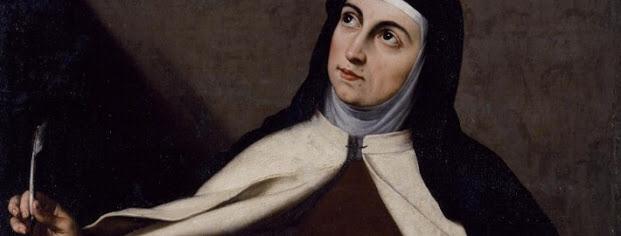
To love is a spiritual experience that liberates. This is love: to fly to a secret heaven, to each instant tear a hundred veils. At the start, to renounce life; at the end, to walk without feet. To consider this world as if it were invisible and pay no heed to what turns up to the being (29). To love is also an act of free reciprocity: Love Me for me to love You. If you do not love Me, My love will never be able to reach you (30).
The opposite feeling of love is hate. Hate –anger, desire to dominate- disintegrates; it produces unbalance which leads to physical and mental illnesses. Subjacent to hate is fear, which is a consequence of absence of love: In love there is no fear, instead perfect love throws out fear because fear originates in mistrust; one who fears has not been perfected through love (31). Fear is caused by the false idea of being a separate entity, forsaken, in danger. Love —charity, respect for all forms of existence— integrates. Love creates and keeps organic and social equilibriums. Buddha expressed: In this world, hate never ceases by hating; it only ceases through love. This is an eternal law (32). In this manner Jesus expressed the eternal law about the power of love over hate: You have heard it said: love your fellow man and hate your enemy, but I tell you: love your adversaries, bless those who curse you, do good to those who abhor you and pray for those who take you by force and persecute you (33).
Love of the eternal translates in daily life into love for your neighbor. If the spiritual experience of love of the eternal does not translate into love for your fellow-being, it could probably be a religious experience destined to obtain personal security, instead ofa spiritual experience of love. The main teaching of Jesus consisted in loving: God is love, and everyone who remains in love remains in God (34). But if anyone says ´I love God´ but hates his brother, that one is a liar; because anyone who does not love his brother whom he has seen, how can he love God whom he has not seen? And this is the commandment that we have received from Him: All those who love God, let them love their brother (35).
The spiritual experience of love is not limited by the name with which the Beloved is invoked, or by the devotional ritual employed: There was a time in which I rejected my fellow-being if his faith was not my own. Now my heart is capable to adopt all forms: it is a meadow for the deer and a cloister for the Christian monk, temple for the idols and Ka´aba for the pilgrims, it is recipient or the tables of the Torah and verses of the Quran. Because my faith is love, it is the same wherever the caravan of love goes,its road is the path of my faith (36). You must know that Judaism, Christianity, and Islam, as well as other religions, are designations and names: the objective each one points at is always the same and is invariable (37).
Each mystic has his own way of binding himself to the Beloved: one day a voice will cry out: there is no route or path (38). Where do you look for me? Can you not see I am beside you? I am not in the temple or in the mosque… I am not in the rites or in the ceremonies… If you truly search you will see me immediately; in an instant you will find me. God is the breath of all breaths (39).
Most religions have converted the teachings of love in doctrines and rituals hiding the essence of their common message, which is to awaken conscience of the Creator – Creation unit. We need spiritual experiences which transform consciences to put an end to atrocities produced by enslaving dogmatic religions. Unity and unified conscience are synonyms of love. Religious doctrines about Jesus divide Jews, Muslims and Christians. They also divide millions of Christians among themselves. Nonetheless the message of Jesus by Jesus does not generate controversies because it is not doctrinal, thus, it does not exclude: it is a message that includes and assembles daily life with indivisible unity.
The post THE INFINITE DEPTH – Our power is love first appeared on Aída Reboredo.]]>I went from God to God until they cried out from me, inside me, Oh, You-I! (40).
(1)Ibn Arabi Tratado del Amor EDAF Arca de Sabiduría, Madrid 1996; p 36
(2)Ibn Arabi Tratado de la Unidad Editorial Sirio S.A., Málaga 2002, pp 83-84
(3)Khâqâni Shirwanî, cit Dr Javad Nurbakhsh En el Paraíso de los Sufíes, Luis Cárcamo editor, Madrid 1992
(4)Ibn Arabi Tratado del Amor op cit; p 32(5)Khâqâni Shirwanî op cit.(6)Ibn Arabi Tratado de la Unidad op cit; p 19.
(7) Relato del Evangelio según Juan 10,30 Biblia Peshitta en Español Traducción de los Antiguos Manuscritos Arameos, Tennessee 2006
(8) Relato del Evangelio según Juan 10,38 Biblia Peshitta
(9) Ibn Arabi op cit p 55.
To Ching Hua (Benita) Kung and the Masters of the Tao, in gratitude
Aída Reboredo ArroyoTo repent means a change of vision, to turn back, to return. Repentance does not consist of guilt, shame and punishment as it is commonly understood due to manipulation suffered by the term which was converted into a doctrine used by religions to safeguard the interests of dominant groups. To repent comes from the Latin repaenitere, and means to go back to, to replenish the lack of something, to change, to correct, to go from a wrong mentality to a right one. The Hebrew word most frequently used in the Old Testament to refer to mistakes produced by a false vision, hattāt, comes from the Hebrew root ht ’which means to miss the mark or to deviate from the goal. Hamartia, missing the target, is the Greek word used in the New Testament to translate the Aramaic term khata (1).
Repentance was reduced to the moral realm, distorting the original message linked to the emancipation of conscience, thus losing its liberating meaning. Those who disregard the conscience of unity, perceiving themselves as separate individuals, become slaves of insecurities and fears leading them to a life of confusion. To repent, to turn back, to become aware, reestablish the individual in its own self, in its Buddha nature, in the ‘mind of Christ’, in the Tao. Those who forget their true origin and identity become puppets of the false ego seeking security, longevity, health and wealth in the quicksand of impermanent manifestations.
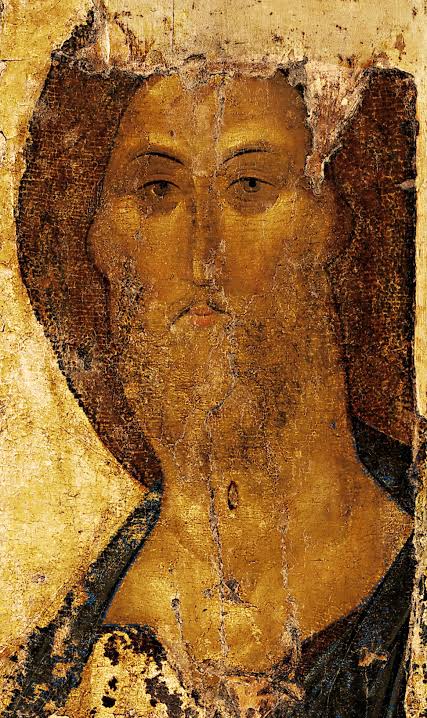
To adhere to that which is impermanent by nature, is to be imprisoned in a mirage that disappears when our true identity is discovered. Jesus said, If people ask you, ‘Where have you come from?’ say to them, ‘We have come from the light, from where the light came in to being by itself, established [itself], and appeared in their image. If they ask, ‘Who are you?’ say, ‘We are its children, and we are the chosen of the Living Father’. If they ask you, ‘What is the sign of your Father in you? say to them, ‘It is movement and rest’ (2) Jesus said, I am the light of the world (3). You are the light of the world (4).
The time is fulfilled, and the kingdom of God is at hand. Repent ... (5). Repentance and the Kingdom proclaimed by Jesus both mean liberation of misconceptions, a radical change of consciousness, a correction of the illusion of fragmentation into the vision of the kingdom, a conscience of unity and entanglement … The kingdom of God is within you (6). … The Kingdom is inside you and outside you (7). The kingdom of God is the heart of the Gospels. In Mark, Matthew and Luke the word euaggelion meaning good news, is understood as equivalent to the kingdom announced and realized by Jesus. Repentance marks the turning point from where the compassionate lifestyle of the Kingdom begins. The message and works of Jesus are not doctrinal teachings, but the practice of the Kingdom through compassionate feelings, intentions, thoughts, words, and actions. To believe in Jesus is to act compassionately which requires the transformation of a fragmented conscience into a conscience of unity, a conscience of love.
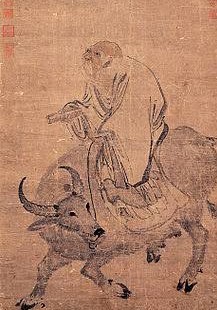
Jesus challenged religion as a power at the service of dominant groups to generate oppression instead of freedom, doctrinal legalism instead of life, guilt instead of spirituality, fear instead of peace. It was in the context of oppression that repentance became a doctrine of guilt and punishment. It was also in this framework that the original message, centered in the love of God through the love of others, was transformed into post-paschal theologies. The message of Jesus consisted in practicing love above all things, since that practice was one of the fundamental principles of the Judaism, and a summary of the entire Law and the Prophets as stated in the Gospels (8).
Mary Oliver’s poem “Wild Geese” is an example of the misconception of the term repentance as synonymous of guilt and punishment, as it is commonly understood: You do not have to be good. You do not have to walk on your knees for a hundred miles through the desert, repenting
(9). The original meaning of the word repentance does not imply punishment, or self-blame, nor self-imposed physical or psychological suffering, but to realize that the principal mistake is the idea of fragmentation, from where all the other secondary errors come from.
There are two types of false repentance which do not correct the main error: repentance based on guilt and repentance based on subject matter. If repentance is reduced to guilt, it produces remorse, anguish, immobility, and stagnation. If repentance is limited to an issue or matter, the underlying reason, the central error which is the fragmented conscience, is overlooked. This confusion prevents us from realizing that we are feeding the same seeds of ignorance in other areas of our lives. Repentance in the subject matter and repentance based on guilt are the two usual ways in which religions focus their attention to shape the criteria of multitudes. Worlds, heavens and other dimensions make up an indivisible unit that only intuition and supraconscious states can get to experience. Perception can only provide dualistic data needed to function on the physical realm, however, only intuition and self-experienced knowledge of the perennial wisdom, yield access to the information from the subtle worlds. The self-experienced knowledge of unity goes beyond the appearances captured by the five senses and the mind; it reveals that all creatures and worlds are like necklace’s beads, intertwined with the invisible thread of the whole. Dominant hierarchies hinder access to this subtle and liberating knowledge which allows us to recognize ourselves as part of the whole. Nothing can exist outside of the whole, otherwise it would not be the whole. The whole is infinite… it is immutable (…) The whole is the infinite living Mind: the enlightened one calls it Spirit (10).
The person in a state of ignorance perceives itself as a forsaken soul. Once the person understands that existence is an infinite continuum of which it is part of, the search for acceptance, security and control ceases. What seemed attractive to the fragmented vision is now seen as undesirable; what appeared to be a loss is now considered a gain; what produced grief becomes peace; what created intolerance and anger now generates compassion. Identification with the false self is then corrected, the road to return home is then undertaken in the wisdom of unity. This is the meaning contained in the Arabic, Hebrew, Greek and Latin words tawba, teshuvah, metanoeo and repaenitere, translated as repentance. As a result of this integrative vision, love and compassion emerge manifesting themselves in selflessness actions.

People of the world, lost in externals, get fixated on appearances; lost inwardly, they get fixated on emptiness. If you can be detached from appearances while in the midst of appearances, and be detached from emptiness while in the midst of emptiness, then you will not be lost inwardly or outwardly. If you realize this truth, your mind opens in an instant; this is called opening up the knowledge and vision of buddhahood… Buddhahood is equivalent to awakeness. It is divided into four aspects. There is opening up awake knowledge and vision, showing awake knowledge and vision, realizing awake knowledge and vision, and entering into awake knowledge and vision (11).
The correction of conscience called Individual tikun by Jewish mysticism, is a process of ascending changes and profound complexity originating in repentance. Those who stay tuned to their thoughts, feelings, and actions attain correction. External circumstances and relationships to others reflect the state of conscience, allowing the individual to know itself, take responsibility for its own actions, and avoid playing the role of a victim. In the light of the conscience of unity, judgments, prejudices of the small self as well thoughts of exclusion and rejection, they all come to a stop. Jesus said: Know the one who is before you, and what is hidden from you will be revealed to you (12).
That which is born of the flesh is flesh, and that which is born of the Spirit is spirit (13). A person capable of spiritual discernment takes responsibility for its own existence and remains aware to make necessary corrections along the way. The vision is then corrected. Individuals perceived before as separated entities, and people considered as objects, are now regarded as one beyond the diversity of the appearances. The river and its waves are one. Where is the difference between the river and its waves? When the wave rises, it is water; and when it falls, it is the same water again. Because it has been called a wave, shall it no longer be considered water? (14). The process of correction and repair involves all areas of the person: its interior — its being for itself — and its relationship with the outside — its being for another.
From the preceding moment of thought, the present moment of thought, and the following moment of thought, from moment of thought to moment of thought I will not be affected by any conceit or deceit. I repent of all previous misdeeds associated with malignant conceit and deceit, and pray that they disappear all a once and never occur again… I repent of all previous misdeeds associated with malignant jealousy and envy, and pray that they disappear at once and never occur again…
Why is it called repentance? Repentance means repenting of former errors, previous bad actions, faults like stupidity, delusion, conceit, deceit, jealousy, and envy, repenting of them all so they don’t ever recur. That is being penitent. Repentance further means regretting later mistakes…and stopping them forever, not acting them out anymore.
When falsehood occurs, truth liberates; when delusion occurs, enlightenment liberates. When folly occurs, wisdom liberates; when evil occurs, good liberates. Liberation like this is called true liberation.
(…) Inwardly tame the nature of mind, outwardly respect other people: this is called self-refuge. (…) Self-refuge means getting rid of bad states of mind in your own nature — jealousy, flattery, selfishness, deceptiveness, disregard for others, disrespects for others, false views, conceit, and any bad behavior that might take place at any time. Always seeing your own faults and not discussing others’ good or bad is self-refuge… Wisdom produces higher states, folly produces lower states. (…) Self-realization and self-cultivation of the virtues of one’s own nature is true refuge (15).
High virtue is not virtuous
Therefore it has virtue
Low virtue never loses virtue
Therefore it has no virtue
High virtue takes no contrived action
And acts without agenda
Low virtue takes contrived action
And acts with agenda
High benevolence takes contrived action
And acts without agenda
High righteousness takes contrived action
And acts with agenda…
Therefore, the Tao is lost, and then virtue
Virtue is lost, and then benevolence
Benevolence is lost, and then righteousness
Righteousness is lost, and then etiquette
Those who have etiquette
are a thin shell of loyalty and sincerity
And the beginning of chaos
Those with foreknowledgeAre the flowers of the Tao
And the beginning of ignorance
Therefore the great person:
Abides in substance, and does not dwell on the thin shell
Abides in the real, and does not dwell on the flower… (16).
(1)Nuevo diccionario bíblico Ediciones Certeza 1991
(2) The Secret Gospel of Thomas In Elaine Pagels, Beyond Belief. The Secret Gospel of Thomas Random House 2003, Logion 50
(3) John 8,12 New King James Version
(4) Matthew 5,14 Id
(5) Marc 1,15 Ibid
(6) Luke 17,21 op cit
(7) The Secret Gospel of Thomas op cit Logion 3,7.8
(8) José M. Castillo El Reino de Dios por la vida y la dignidad de los seres humanos Desclée de Brouwer 2000; p 163
(9) Mary Oliver Wild Geese
(10) El Kybalión Editorial Prana 2019; pp 40, 41, 43
(11) The Sutra of Hui Neng Shambala 1998; p 47
(12) The Secret Gospel of Thomas, Logion 5 op cit
(13) John 3,6 op cit
(14) Kabir Poema XIV Edicomunicación 2003
(15) The Sutra of Hui Neng op cit; pp 38, 39, 42
(16) Tao Te Ching SkyLight Paths, 2011